✓ Germany offers numerous financing paths for international students, beyond traditional loans.
✓ Blocked accounts are a common requirement for visa applications, demonstrating financial stability.
✓ Interest rates and repayment terms vary significantly between loan providers and types.
✓ Scholarships and grants can significantly reduce the need for student loans.
How It Works
1
Assess Your Financial Need
Calculate your total estimated study and living costs in Germany. This includes tuition fees (if applicable), accommodation, health insurance, and daily expenses.
2
Explore All Funding Avenues
Look beyond just loans; consider scholarships, grants, part-time jobs, and family support. A diversified funding strategy is often the most robust.
3
Compare Loan Options
Research different providers, their eligibility criteria, interest rates, and repayment conditions. Pay close attention to international student-specific offerings.
4
Apply and Secure Funding
Gather all necessary documents and submit your applications. Ensure your chosen financing aligns with visa requirements, such as a blocked account.
Understanding the German Higher Education Landscape for International Students
Photo: This And No Internet 25 / Pexels
Germany has long been a beacon for international students seeking world-class education, often at little to no tuition cost in public universities. However, while tuition fees might be minimal or non-existent for most public institutions, the cost of living, health insurance, and administrative fees still represent a significant financial commitment. For international students, especially those from non-EU/EEA countries, demonstrating sufficient financial resources is a mandatory prerequisite for obtaining a student visa. This typically involves proving access to approximately 11,208 Euros per year (as of 2024, subject to change) – funds that are often deposited into a 'blocked account' in Germany. This requirement alone highlights the critical need for a robust financial strategy, making student loan options for Germany international students a highly relevant topic. Beyond the blocked account, students must budget for rent, food, transportation, study materials, and personal expenses, which can easily amount to 800-950 Euros per month depending on the city. Understanding these fundamental financial demands is the first step in navigating the complex world of financing your German education. It's not just about covering tuition; it's about sustaining your life in a foreign country for the duration of your studies. Many students underestimate the auxiliary costs, leading to financial stress later on. Therefore, a comprehensive financial plan that considers all these elements is indispensable. This plan should ideally include a buffer for unforeseen expenses, as life abroad can present unexpected challenges. The German government and universities provide extensive information, but it's up to the individual student to meticulously plan their finances. This includes researching not only the upfront costs but also the ongoing monthly expenditures and ensuring a stable source of income or funds throughout their academic journey. Without a clear understanding of these financial realities, securing the right student finance can be a daunting task. It is crucial to remember that while the academic quality is high, the financial responsibility rests squarely on the student. Thorough preparation in this area will pave the way for a smoother and more successful study experience in Germany. Furthermore, language barriers can sometimes complicate financial discussions, making it even more important for students to be well-informed and prepared before they arrive. Exploring all available resources, both governmental and private, is key to piecing together a viable funding strategy.
Navigating Traditional and Alternative Student Loan Options for Germany International Students
Photo: Tima Miroshnichenko / Pexels
When considering student loan options for Germany international students, it's important to distinguish between traditional bank loans and more specialized financing solutions. Traditional German banks, such as Deutsche Bank or Sparkasse, may offer student loans, but their eligibility criteria for international students can be stringent. Often, they require a German co-signer (Bürge) or a substantial collateral, which is difficult for most international students to provide. This is where alternative lenders and specialized educational financing institutions come into play. Companies like EDUBAO, Fintiba, or Coracle primarily focus on blocked accounts but some have started expanding into financing solutions or partnerships. More direct loan providers catering specifically to international students include platforms like Prodigy Finance or MPOWER Financing. These lenders often assess loan applications based on the student's future earning potential, the university and course of study, rather than relying solely on traditional credit history or collateral. This makes them a viable option for many non-EU/EEA students. However, it's crucial to understand that these specialized loans often come with higher interest rates compared to domestic German student loans (like those from KfW), reflecting the increased risk for the lender. Repayment terms and grace periods also vary significantly, so a detailed comparison is essential. Beyond these, the German state-owned development bank, KfW (Kreditanstalt für Wiederaufbau), offers student loans (KfW-Studienkredit) which are highly attractive due to their relatively low interest rates and flexible repayment options. However, eligibility for KfW loans is generally restricted to German citizens, EU citizens who have resided in Germany for a certain period, or those with specific long-term residence permits. International students from outside the EU/EEA typically do not qualify directly for KfW loans unless they meet very specific residency requirements, which are often difficult to fulfill before starting their studies. This limitation underscores the importance of exploring all available avenues, including those specifically designed for international students, even if they come with different terms. Additionally, some German universities offer emergency loans or small bridging loans, but these are usually short-term solutions and not designed to cover the entire cost of studies. It's a complex landscape, requiring diligent research and a clear understanding of your individual eligibility and financial needs. Always read the fine print regarding interest rates, repayment start dates, and any hidden fees. Moreover, consider the currency exchange risks if your loan is disbursed in a currency different from your home country's, or if your repayment income will be in a different currency. A comprehensive financial plan should factor in all these variables to ensure long-term stability and avoid surprises during your study period.
Scholarships, Grants, and Other Funding Avenues for International Students
Photo: Leeloo The First / Pexels
While student loan options for Germany international students are a critical component of financing, it's equally important, if not more so, to explore non-repayable funding sources such as scholarships and grants. These can significantly reduce your financial burden and the need for loans. The German Academic Exchange Service (DAAD) is arguably the most prominent provider of scholarships for international students in Germany. They offer a vast array of programs covering various fields of study, academic levels (undergraduate, master's, PhD), and durations. DAAD scholarships are highly competitive but cover not only living costs but sometimes also tuition fees and travel allowances. Their website is an indispensable resource for anyone seeking to study in Germany. Beyond DAAD, numerous other organizations and foundations offer scholarships. These include political foundations (e.g., Konrad-Adenauer-Stiftung, Friedrich-Ebert-Stiftung), church-affiliated organizations, and private foundations. Many universities also offer their own scholarships, often merit-based or for specific programs. It's worth checking the international office or departmental websites of your target universities for these opportunities. The application process for scholarships typically involves submitting academic transcripts, letters of recommendation, a motivational letter, and sometimes an interview. The key is to start early, as deadlines can be well in advance of the academic year. Furthermore, don't overlook the possibility of scholarships from your home country's government or private organizations. Some countries have bilateral agreements with Germany that include educational funding. Another often-overlooked avenue is part-time employment. International students in Germany are generally allowed to work 120 full days or 240 half days per year. This can be a valuable source of income to supplement your finances, though it's crucial not to let work interfere with your studies. Many universities offer job portals or career services that can assist students in finding suitable part-time roles, often as student assistants (HiWi jobs) within the university itself, which can also offer valuable academic experience. While these jobs might not cover all your expenses, they can significantly contribute to your monthly budget and reduce the amount you need to borrow. Finally, remember to account for health insurance, which is mandatory in Germany. While not a direct funding source, having a clear understanding of your insurance options and costs (public vs. private) is crucial for financial planning. Some scholarships might include health insurance coverage, but if not, you'll need to budget for it separately. A combination of scholarships, part-time work, and if necessary, a carefully chosen student loan, often forms the most sustainable financial strategy for international students in Germany. Diversifying your funding sources mitigates risks and provides greater financial stability throughout your academic journey.
Key Considerations and Potential Pitfalls for International Student Loans
Securing student loan options for Germany international students requires careful consideration of several factors to avoid potential pitfalls. Firstly, understanding interest rates is paramount. Loans can have fixed or variable interest rates. Fixed rates offer predictability, while variable rates can fluctuate with market conditions, potentially leading to higher repayments. Compare the Annual Percentage Rate (APR), which includes all fees and charges, not just the nominal interest rate. Secondly, repayment terms and grace periods are critical. Most student loans offer a grace period after graduation before repayments begin, allowing you to find employment. However, the length of this period varies, and interest may accrue during it. Be clear about when repayments start, how long they will last, and whether there are any penalties for early repayment. Some lenders might also offer income-driven repayment plans, which can be beneficial if your post-graduation income is lower than expected. Thirdly, currency exchange risk is a significant factor for international students. If your loan is disbursed in Euros but your future income will be in a different currency, or vice-versa, fluctuations in exchange rates can impact the real value of your debt. Plan for potential currency swings. Fourthly, eligibility criteria can be complex. As mentioned, many German banks require a local co-signer. International lenders specifically for students may have requirements regarding your country of origin, your chosen university, or your field of study. Always verify your eligibility before investing time in an application. Fifthly, be wary of predatory lenders. Only engage with reputable institutions and thoroughly read all terms and conditions. If an offer seems too good to be true, it likely is. Avoid any loan that requires upfront fees for approval or promises guaranteed acceptance regardless of qualifications. Finally, understand the implications of default. Failing to repay a loan can have severe consequences, including damage to your credit score, legal action, and difficulties with future immigration or financial endeavors. Always borrow responsibly and ensure you have a realistic plan for repayment. It's advisable to seek independent financial advice if you are unsure about any aspect of a loan agreement. Creating a detailed budget that projects your income and expenses throughout your studies and into your repayment period will help you make informed decisions and choose the most suitable loan option. Don't rush into signing any agreement without fully comprehending its long-term impact on your financial health. Always prioritize transparency and clarity from your chosen lender.
Comparison
Feature
Prodigy Finance
MPOWER Financing
KfW-Studienkredit
Local German Banks
Eligibility for Non-EU
✓ (Specific Countries)
✓ (Specific Countries)
✗ (Strict Residency)
✗ (Co-signer/Collateral)
Co-signer Required
✗
✗
✗
✓ (Often)
Interest Rates (Avg.)
Medium-High
Medium-High
Low
Medium
Repayment Grace Period
6-12 Months
6-12 Months
6-23 Months
Varies
Loan Currency
USD/EUR
USD/EUR
EUR
EUR
Credit Score Check
Future Earning Potential
Future Earning Potential
German Credit Score
German Credit Score
University Coverage
Wide Range
Wide Range
All Accredited
All Accredited
What Readers Say
★★★★★
"Finding student loan options for Germany as an international student was daunting, but Prodigy Finance made it straightforward. Their process was transparent and I got the funds needed for my blocked account without a local co-signer."
Aisha K. · Mumbai, India
★★★★★
"MPOWER Financing was a lifesaver. They understood my situation as an international student and approved my loan based on my future potential. This allowed me to pursue my Master's in Engineering in Munich."
Carlos M. · São Paulo, Brazil
★★★★★
"The detailed information on blocked accounts and alternative financing helped me secure my visa and studies. This guide clarified many aspects of student loan options in Germany for internationals, leading to a successful application."
Li Wei · Beijing, China
★★★★★
"While I couldn't get a KfW loan, the article pointed me towards excellent scholarship resources. I secured a partial grant, significantly reducing the amount I needed to borrow. It's a comprehensive resource."
Olga P. · Kyiv, Ukraine
★★★★★
"As a medical student, I needed substantial funding. This guide to student loan options for Germany international students helped me compare lenders effectively and choose the best fit for my long-term studies. Highly recommended!"
Ahmed S. · Cairo, Egypt
Frequently Asked Questions
What is a blocked account and why is it required for international students in Germany?
A blocked account (Sperrkonto) is a special bank account required by German authorities to prove that international students have sufficient funds to cover their living expenses for at least one year. It ensures you can financially support yourself without relying on public funds. Funds are 'blocked' with a monthly limit on withdrawals, typically around 934 Euros.
Can I get a student loan from a German bank without a co-signer?
It is generally very difficult for international students from non-EU/EEA countries to obtain a traditional student loan from a German bank without a German co-signer (Bürge) or substantial collateral. German banks typically require a established credit history or a strong connection to Germany, which most new international students lack. Specialized international lenders are often a better option.
How do I apply for scholarships for studying in Germany?
Start by visiting the DAAD (German Academic Exchange Service) website, which is the largest scholarship database. Also, check the websites of individual German universities, political foundations, and private organizations. The application process usually involves submitting academic records, a motivational letter, and letters of recommendation. Apply well in advance of your desired study period.
Are tuition fees common for international students in German universities?
No, most public universities in Germany do not charge tuition fees for undergraduate or consecutive master's programs, even for international students, with the exception of Baden-Württemberg, which charges a semester fee of 1,500 Euros for non-EU students. However, all students must pay a 'semester contribution' which covers administrative costs and public transport passes, typically ranging from 100-350 Euros per semester.
How do international student loans (e.g., Prodigy Finance, MPOWER) compare to domestic German loans?
International student loans like Prodigy Finance or MPOWER Financing are specifically designed for non-EU/EEA students, often requiring no co-signer and basing eligibility on future earning potential. However, they typically come with higher interest rates than domestic German loans like the KfW-Studienkredit, which is primarily accessible to German and some EU citizens with specific residency status, offering much lower interest rates.
Who should consider student loan options for Germany international students?
Anyone who has exhausted scholarship opportunities, lacks sufficient personal savings, or cannot secure a blocked account through other means should consider student loan options. It's particularly relevant for students from countries where currency controls or transfer limitations make direct funding challenging, or those pursuing highly specialized and potentially lucrative degrees.
What are the risks associated with taking out an international student loan?
Key risks include fluctuating exchange rates if the loan currency differs from your future income, variable interest rates that can increase over time, and the long-term commitment of repayment. There's also the risk of not securing a job that allows for comfortable repayment post-graduation, emphasizing the need for realistic financial planning and career prospects.
Will student loan options for Germany international students change in the future?
The landscape of international student finance is dynamic. We may see more specialized lenders entering the market, potentially more integrated solutions combining blocked accounts with financing, and possibly changes in government regulations regarding international student work permits or loan eligibility. Staying informed about policy changes and new financial products is crucial for future students.
Navigating the financial landscape for studying in Germany as an international student can be complex, but it's entirely achievable with the right information and planning. Explore the comprehensive student loan options for Germany international students outlined here, consider all funding avenues, and secure your world-class education with confidence.
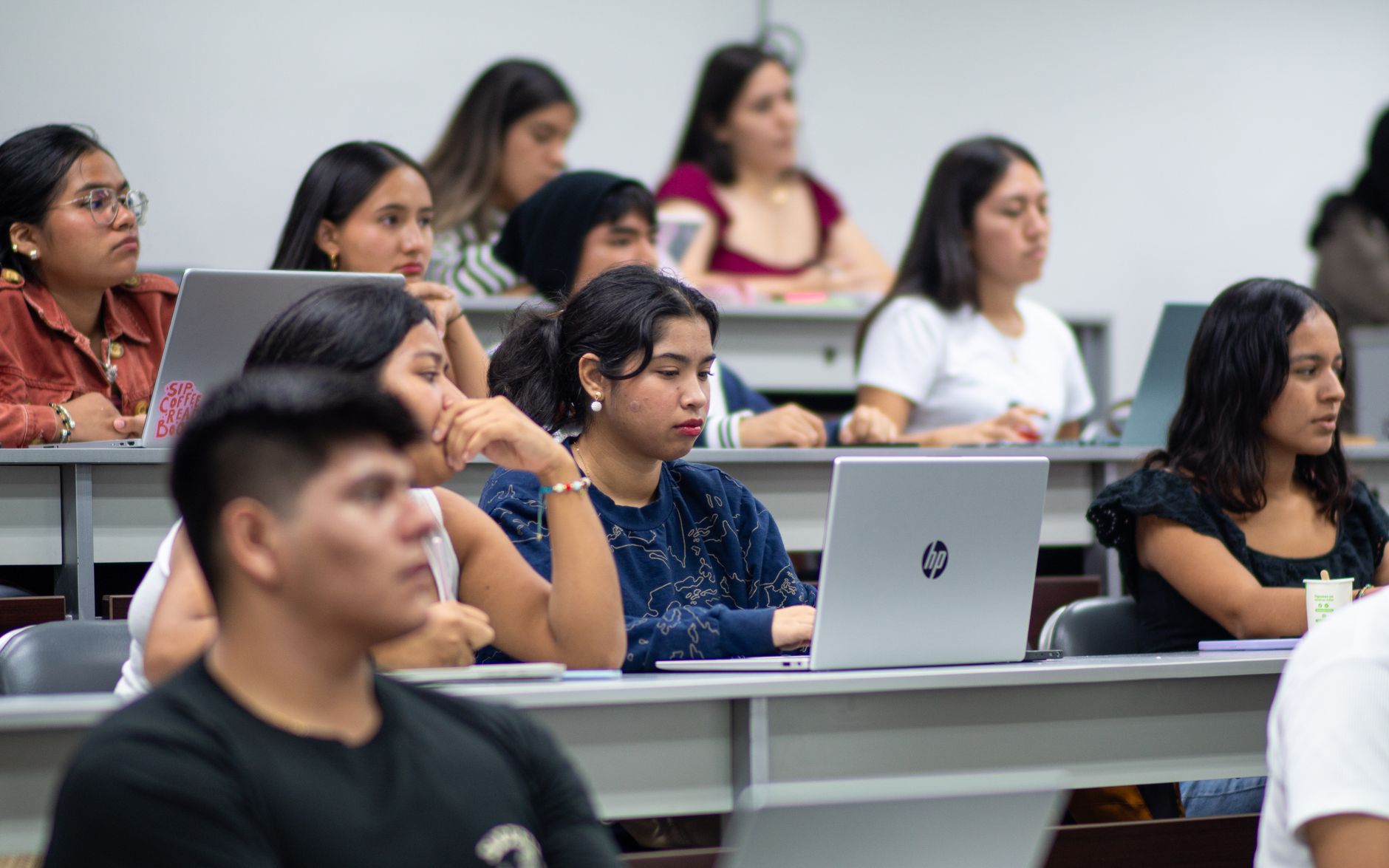
 Photo: This And No Internet 25 / Pexels
 Photo: Tima Miroshnichenko / Pexels
 Photo: Leeloo The First / Pexels