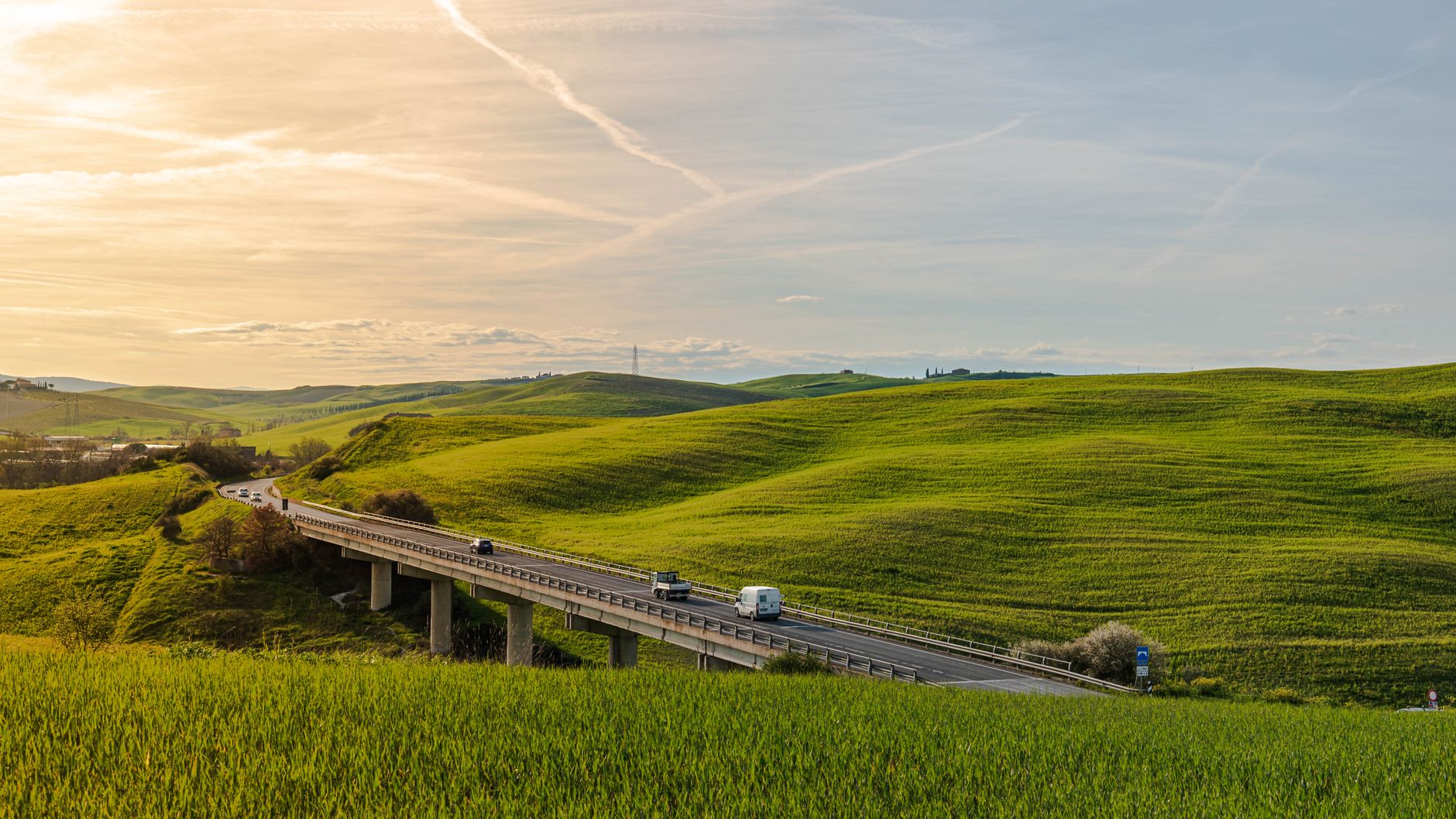
Renting a car in Italy: A complete guide to hassle-free travel
renting a car in Italy

Renting a car in Italy: A complete guide to hassle-free travel

Navigate the picturesque Italian landscape with confidence and avoid common pitfalls with our expert financial and practical advice.

Plan Your Italian Road Trip

Key Takeaways

  • ✓ International Driving Permit (IDP) is mandatory for non-EU drivers.
  • ✓ Automatic cars are less common and more expensive.
  • ✓ Zero Excess insurance is highly recommended.
  • ✓ ZTL (Limited Traffic Zones) are prevalent in historic city centers.

How It Works

1
Research & Compare Rental Companies

Start by comparing prices and vehicle types from various reputable rental agencies. Look for comprehensive reviews and transparent pricing structures to make an informed decision.

2
Understand Insurance Options

Decipher the different insurance coverages available, such as Collision Damage Waiver (CDW) and Theft Protection (TP). Consider third-party excess insurance for significant savings and peace of mind.

3
Prepare Required Documents

Ensure you have your valid driver's license, an International Driving Permit (if applicable), passport, and a credit card in the primary driver's name ready for collection. Double-check all expiry dates.

4
Familiarize Yourself with Italian Driving Rules

Learn about ZTLs, speed limits, parking regulations, and toll roads before you hit the road. Understanding local laws will prevent unexpected fines and ensure a smoother journey.

Navigating the Pre-Booking Process: Choosing Your Italian Ride

Explore the grand entrance of Banca d'Italia in Milan. Iconic architecture and rich history. Photo: Enrico Frascati / Pexels
Renting a car in Italy offers unparalleled freedom to explore its diverse landscapes, from the rolling hills of Tuscany to the dramatic Amalfi Coast. However, the pre-booking process is critical to a smooth and cost-effective experience. Start by comparing major international rental companies like Hertz, Avis, and Europcar, alongside local Italian agencies. While international brands often provide more standardized services, local providers might offer competitive rates, especially for longer rentals or specific vehicle types. Use comparison websites, but always cross-reference directly with the rental company's own site, as exclusive deals or specific vehicle availability might differ. Pay close attention to the pick-up and drop-off locations. Renting from an airport usually means higher fees, while downtown offices might be more cost-effective but less convenient for immediate arrival. Consider if you need a one-way rental, which can incur substantial additional fees. The type of car you choose is another significant financial decision. Italy's narrow, winding roads and tight parking spaces often favor smaller vehicles. A compact or economy car will be easier to maneuver and more fuel-efficient, saving you money on petrol, which is notably expensive in Italy. If you plan to travel with more luggage or people, a larger sedan or SUV might be necessary, but be prepared for higher rental costs and potentially more challenging driving. Manual transmission cars are standard in Italy, and automatics are considered a premium and often come with a higher daily rate. If you're not comfortable driving a stick shift, book an automatic well in advance, as availability can be limited. Always verify the fuel policy – 'full-to-full' is generally the most economical, as 'full-to-empty' options often include inflated fuel charges and service fees. Before finalizing your booking, carefully read the terms and conditions, especially regarding mileage limits, additional driver fees, and cancellation policies. Understanding these upfront can prevent unexpected charges and financial surprises during your trip. Look for companies with transparent pricing, ensuring all mandatory fees are included in the quoted price. Some companies might initially appear cheaper but then add significant surcharges for insurance, road tax, or airport fees. A thorough review of these details is essential for effective budget management on your Italian adventure.

Understanding Car Rental Insurance in Italy: Protecting Your Finances

Car rental insurance in Italy is arguably the most complex and potentially costly aspect of hiring a vehicle, yet it's absolutely crucial for protecting your finances. Basic rental agreements typically include third-party liability insurance, which covers damage to other vehicles or property, and sometimes basic Collision Damage Waiver (CDW) and Theft Protection (TP). However, these often come with a very high excess (deductible), meaning you're liable for the first few hundred or even thousand euros of damage or theft. This is where supplementary insurance becomes vital. Many travelers opt for 'Zero Excess' or 'Super CDW' policies offered by the rental company directly. While these eliminate or drastically reduce your deductible, they can be quite expensive, sometimes adding 20-50% to your daily rental cost. An increasingly popular and often more cost-effective alternative is to purchase a standalone excess insurance policy from an independent third-party provider before you travel. Companies like RentalCover.com or Worldwide Insure specialize in these policies, offering comprehensive coverage for your excess at a fraction of the price charged by the rental companies. These policies are reimbursed directly to you if you incur a charge from the rental company for damages. Before purchasing any additional insurance, check your personal car insurance policy or your credit card benefits. Some premium credit cards offer primary or secondary car rental insurance coverage, which could negate the need for extra purchases. However, it's imperative to understand the specifics of this coverage, including any exclusions (e.g., certain vehicle types, specific countries) and whether it's primary (pays first) or secondary (pays after other insurance). Always get written confirmation of your credit card's coverage. When collecting your car, the rental agent will almost certainly try to sell you their additional insurance products. Be firm but polite if you've already arranged adequate coverage. They might imply that your independent policy isn't sufficient or that you'll face issues. Understand that their goal is often to upsell. Take clear, timestamped photos or videos of the vehicle's condition both inside and out before you drive away. Documenting any existing scratches, dents, or damage is your best defense against unwarranted charges upon return. This due diligence is a critical financial safeguard, as disputes over pre-existing damage are common and can lead to significant unexpected expenses. Ensure the fuel gauge is noted correctly on your rental agreement, and understand the policy for returning the car with a full tank. Failure to do so can result in exorbitant refueling charges, further impacting your travel budget.

See also: Noleggio auto in Italia.

Driving in Italy: Rules, Road Signs, and ZTLs Explained

Driving in Italy is an experience that combines breathtaking scenery with unique challenges. Understanding the local driving rules and nuances is paramount to a stress-free journey and avoiding hefty fines. First and foremost, for non-EU citizens, an International Driving Permit (IDP) is legally required alongside your valid national driver's license. You can obtain an IDP from your local automobile association before your trip. Failure to present one if stopped by police can result in significant fines and potential issues with your rental agreement. Speed limits in Italy are generally 50 km/h in urban areas, 90 km/h on secondary non-urban roads, 110 km/h on main non-urban roads (superstrade), and 130 km/h on motorways (autostrade). These limits are strictly enforced by speed cameras, often unmarked, so adherence is crucial. Many motorways are toll roads, identified by green signs. You'll typically take a ticket upon entry and pay at the exit, either with cash or credit card. Look for the 'Telepass' lanes only if your rental car comes with one (rare for standard rentals), otherwise, use lanes marked 'Carte' for card payments or 'Contanti' for cash. The most significant challenge for many drivers in Italy, especially in historic cities, are the Zona a Traffico Limitato (ZTLs), or Limited Traffic Zones. These are areas, typically in city centers, where vehicle access is restricted to residents and authorized vehicles during certain hours. Entering a ZTL without permission results in an automatic fine, often captured by cameras. These fines can arrive months after your trip, sometimes with additional administrative fees from the rental company. Always look for the circular white sign with a red border indicating a ZTL. If you're staying in a hotel within a ZTL, contact them in advance; they can often register your license plate with the local authorities for temporary access. Never assume you can simply drive through. Parking can also be a challenge. Blue lines indicate paid parking, white lines are free (often for residents only), and yellow lines are strictly for disabled permits or specific authorized vehicles. Always check signage carefully. Italian drivers can be assertive; expect close following, frequent horn use, and sometimes creative parking. Defensive driving is a must. Yielding at roundabouts is common, but always be prepared for unexpected maneuvers. Familiarize yourself with common Italian road signs, which are often pictorial. Remember, the right-of-way rule in Italy, similar to many European countries, dictates that vehicles approaching from the right have priority at unmarked intersections, though this is less common on major roads. Understanding these intricacies will not only prevent fines but also contribute to a more enjoyable and financially secure travel experience.

Essential Tips and Common Mistakes to Avoid When Renting in Italy

Renting a car in Italy can be incredibly rewarding, but a few key tips and awareness of common pitfalls can save you significant time, money, and stress. **Tips for a Smooth Rental Experience:** * **Book Early, Especially for Automatics:** Demand for automatic transmission cars is high, and supply is lower. Booking several months in advance will secure your preference and often a better rate. * **Inspect the Car Thoroughly:** Before driving off, take detailed photos and videos of every scratch, dent, and interior imperfection. Ensure the fuel level is accurately recorded on your contract. This is your primary defense against unwarranted damage claims. * **Understand Your Toll Options:** Many Italian motorways are toll roads. Ensure you know how to pay (cash, credit card, or if your rental has a Telepass device) to avoid delays or fines. * **Carry an IDP and Physical Documents:** Always have your International Driving Permit, national driver's license, passport, and rental agreement with you in the car. * **Download Offline Maps:** GPS signals can be spotty in rural areas or tunnels. Google Maps or Maps.me allow offline downloads, which are invaluable for navigation. * **Learn Basic Italian Road Signage:** Familiarize yourself with common signs, especially those for ZTLs, parking, and speed limits. **Common Mistakes to Avoid:** * **Ignoring ZTLs:** This is perhaps the most frequent and costly mistake. Do not drive into historic city centers unless your hotel has registered your license plate. Fines are steep and accumulate per entry. * **Not Getting Adequate Insurance:** Relying solely on the basic CDW/TP with a high excess is a gamble. Invest in zero-excess insurance, either from the rental company or an independent provider. * **Returning the Car Late:** Rental companies often charge a full day's rate for even a slight delay past the agreed-upon return time. Plan your journey to ensure timely drop-off. * **Overlooking Fuel Policy:** Always choose 'full-to-full' if possible. Returning a car with less fuel than agreed, especially with a 'full-to-empty' policy, will result in premium charges for refueling and service fees. * **Using a Debit Card for Deposit:** Most major rental companies require a credit card in the primary driver's name for the security deposit. Debit cards are rarely accepted for this purpose and can lead to refusal of rental at the counter. * **Not Accounting for Additional Driver Fees:** If multiple people will be driving, ensure they are listed on the rental agreement. There's usually an additional daily fee per driver. By being proactive and informed, you can avoid these common financial and logistical pitfalls, ensuring your Italian road trip is memorable for all the right reasons.

Comparison

FeatureThird-Party Excess InsuranceRental Company 'Zero Excess'Credit Card Coverage
CostLow (fixed price)High (daily rate)Potentially free (card benefit)
Coverage ScopeComprehensive excess coverComprehensive, but can have exclusionsVaries greatly, check terms
Claim ProcessPay rental company, claim reimbursementNo claim (direct with rental)Claim via credit card provider
Ease of PurchaseOnline before travelAt rental counterAutomatic with eligible card use
Deposit RequiredYes (blocked by rental co.)No or very lowYes (blocked by rental co.)
Peace of Mind✗ (requires careful verification)

What Readers Say

"This guide was a lifesaver for my Italian road trip! I followed the advice on third-party excess insurance and saved hundreds. Knowing about ZTLs upfront prevented so many potential fines."

Anja Schmidt · Berlin, Germany

"Excellent tips, especially about booking automatics early and checking the fuel policy. My rental experience in Sicily was smooth and stress-free thanks to this detailed information."

Thomas Müller · Hamburg, Germany

"I used the checklist for car inspection and caught a minor scratch that wasn't noted. This guide literally saved me from a potential damage charge upon return. Highly recommend!"

Sabine Weber · Munich, Germany

"Very thorough guide, particularly on insurance. While I still found driving in Rome challenging, the ZTL warnings were invaluable. Could use a bit more on parking strategies."

Lukas Schneider · Cologne, Germany

"As a first-time renter in Italy, this article covered every single detail I needed to know. From IDP to toll roads, it made me feel prepared and confident behind the wheel."

Lena Fischer · Stuttgart, Germany

Frequently Asked Questions

Is an International Driving Permit (IDP) really necessary for renting a car in Italy?

Yes, for non-EU citizens, an International Driving Permit (IDP) is legally mandatory when renting and driving a car in Italy. It must always be carried alongside your valid national driver's license. Failure to produce an IDP if requested by authorities can result in significant fines and potential issues with your rental agreement, even if your national license is accepted by the rental company at pick-up.

What's the best way to avoid ZTL fines in Italian cities?

The best way to avoid ZTL fines is to be vigilant about road signs. Look for the circular white sign with a red border, which indicates a ZTL. Unless you are explicitly authorized (e.g., your hotel has registered your license plate), do not enter these zones. Plan your routes to avoid city centers, or park outside the ZTL and use public transport or walk. Fines are automatically issued by cameras and can be very expensive.

How do I pay for tolls on Italian motorways (Autostrade)?

Most Italian motorways are toll roads. You typically take a ticket upon entering and pay at the exit. Payment methods usually include cash (Contanti), credit/debit cards (Carte), or through an electronic system like Telepass. If your rental car doesn't have a Telepass device, avoid the dedicated Telepass lanes and use the 'Carte' or 'Contanti' lanes. Some shorter sections might have a fixed toll payment at entry.

Is it cheaper to buy car rental insurance from the rental company or a third-party?

Generally, it is significantly cheaper to purchase comprehensive excess insurance from an independent third-party provider (e.g., RentalCover.com) before your trip, compared to buying the 'Zero Excess' or 'Super CDW' policies directly from the rental company at the counter. Third-party policies often offer broader coverage for a lower price, though you'll pay the rental company for any damage first and then claim reimbursement from your third-party insurer.

Should I rent a manual or automatic car in Italy?

Manual transmission cars are the standard in Italy and are generally more readily available and cheaper to rent. Automatic cars are considered a premium and come with a higher daily rate and limited availability. If you are comfortable driving a manual, it will offer more choice and better value. If you prefer or require an automatic, book it well in advance to ensure availability, especially during peak season.

Who should use this guide to renting a car in Italy?

This complete guide is designed for anyone planning to rent a car in Italy, whether you're a first-time visitor or a seasoned traveler looking for up-to-date financial and practical advice. It's particularly useful for those from Germany seeking to understand the nuances of Italian car rental, insurance, and driving rules to ensure a smooth, cost-effective, and enjoyable trip.

What if I get a speeding ticket or ZTL fine after I return home?

It's common for speeding tickets or ZTL fines to arrive weeks or even months after your trip. The rental company will typically charge an administrative fee to your credit card for processing the fine and forwarding your details to the authorities, and then the actual fine will be sent to you directly. It's usually best to pay these fines promptly to avoid further penalties or legal issues.

Are there any future trends impacting car rental in Italy?

The future of car rental in Italy, like elsewhere, is moving towards more flexible options, increased electric vehicle availability, and greater integration with digital services. Expect more car-sharing schemes in major cities, potentially contactless pick-ups, and a growing emphasis on sustainable travel options. However, traditional rental requirements like IDP and credit card deposits are likely to remain standard for the foreseeable future.

Armed with this comprehensive guide, you're now ready to confidently plan and execute your Italian road trip. Renting a car in Italy offers unparalleled freedom to explore its wonders; apply these financial and practical insights to ensure a smooth, memorable, and stress-free adventure.

Topics: renting a car in ItalyItaly car rental tipscar rental insurance Italydriving in Italycar hire Italy finance
Leo List
Brampton weed
Adultwork