
Seamlessly Open Bank Account Germany Online: Your Ultimate Guide
Navigate the German banking landscape with ease and open your account from anywhere, anytime.
Start Your German AccountKey Takeaways
- ✓ Most German banks require proof of address, even for online applications.
- ✓ N26 and Commerzbank are popular choices for online account opening for non-residents.
- ✓ Video identification (VideoIdent) is a common and secure method for online verification.
- ✓ A German IBAN is crucial for many financial transactions and services in Germany.
How It Works
Research different banks and their offerings, considering fees, features, and English language support. Decide between a traditional bank or a modern online-only bank based on your needs.
Prepare your passport or national ID, proof of address (if applicable), and potentially proof of income or student status. Having these ready streamlines the application process significantly.
Fill out the bank's online application form accurately and completely. Undergo the identity verification process, which is often done via VideoIdent, PostIdent, or in-person at a branch if available.
Once verified, your debit card and account details will be sent to your registered address. Activate your card and set up online banking access to start using your new German bank account.
Why Open Bank Account Germany Online? The Digital Advantage for Expats and Newcomers
 Photo: Mikhail Nilov / Pexels
Furthermore, many online-first banks (often referred to as 'neo-banks' or 'challenger banks') that facilitate online account opening offer user-friendly mobile apps, often with English language support, making them very appealing to an international audience. These banks typically boast lower or no monthly fees, transparent pricing structures, and innovative features like instant notifications, budgeting tools, and easy international transfers. They understand the specific needs of individuals who might not yet have a permanent German address or who are not fluent in German. For instance, some platforms allow you to use a temporary address or even an address from your home country initially, provided you update it later. The convenience extends to customer service, which is often available through chat or email, eliminating the need for phone calls in a foreign language. The ability to manage your finances entirely through a smartphone or computer aligns perfectly with modern lifestyles, offering flexibility that traditional banks often cannot match. Having a German bank account is not just a convenience; it's a necessity for living and working in Germany, as many landlords, employers, and service providers require a local IBAN. Leveraging the online option simplifies this crucial first step into German life. Understanding the various options and requirements is key to making an informed decision, ensuring a smooth transition into the German financial system. Explore more about banking in Germany.
Top Banks to Consider for Opening a German Online Account
 Photo: https://kaboompics.com/ / Pexels
Among the neo-banks, N26 and Commerzbank's 'basic account' (Kontokorrentkonto) often stand out for their straightforward online application processes and expat-friendly features. N26, a mobile-first bank, is particularly popular due to its intuitive app, English customer support, and often zero monthly fees for its basic account. It caters heavily to an international audience, and its online application and VideoIdent verification can typically be completed in minutes, provided all documents are in order. While it doesn't have physical branches, its extensive ATM network (often through partnerships) makes cash access relatively easy. Revolut and Wise (formerly TransferWise) also offer multi-currency accounts with German IBANs, which can function similarly to a traditional bank account, especially for international transactions and receiving salaries. They are known for competitive exchange rates and ease of use, though their services might be more limited compared to full-fledged bank accounts in terms of lending or investment options.
For those who prefer a traditional bank with a digital twist, Commerzbank offers an online account opening process that's relatively streamlined. While it's a larger, more established bank with physical branches, its online application is efficient, and it provides a good balance between digital convenience and the security of a traditional institution. Other traditional banks like Deutsche Bank or Sparkasse might also offer online application portals, but these often require a subsequent visit to a branch for identity verification or have stricter requirements for non-residents, especially regarding a registered German address. It's crucial to compare the specific account types, monthly fees, ATM withdrawal limits, international transfer costs, and the availability of English-speaking customer service before making a choice. Many of these banks offer free basic checking accounts, but always read the fine print for any hidden charges or conditions. Some banks might require a minimum deposit or regular income to waive fees. Researching reviews from other expats can also provide valuable insights into the user experience with different providers when you're looking to open bank account Germany online. The key is to find a bank that aligns with your financial habits and offers the support you need as you settle into Germany.
Essential Documents and Verification: Your Path to Open Bank Account Germany Online
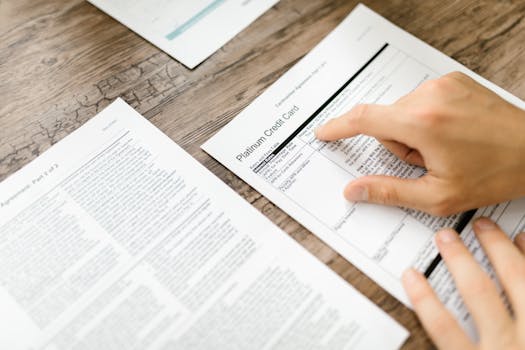 Photo: RDNE Stock project / Pexels
The second vital document, and often the biggest hurdle for newcomers, is proof of address in Germany. While some challenger banks like N26 might initially allow you to use a foreign address or a temporary German address (e.g., from an Airbnb), you will almost always be required to provide a valid German registration certificate (Anmeldebestätigung or Meldebescheinigung) within a few weeks or months. This document confirms your official residence in Germany. Without it, some banks might not proceed with the account opening or might freeze your account until it's provided. For this reason, it's highly advisable to register your address (Anmeldung) as soon as possible after arriving in Germany. Other documents that might be requested include proof of income (e.g., an employment contract, payslips, or scholarship confirmation for students), or a student enrollment certificate.
The identity verification process for opening a bank account Germany online typically involves one of two main methods: VideoIdent or PostIdent. VideoIdent allows you to verify your identity via a video call with a trained agent, using your webcam and smartphone. You'll need to hold up your ID to the camera, answer a few questions, and sometimes sign digitally. This process is quick, convenient, and can be done from anywhere with an internet connection. PostIdent, on the other hand, requires you to print out a form, take it along with your ID to a German post office (Deutsche Post), where an employee will verify your identity and send the documents to the bank. While less immediate than VideoIdent, it's a widely accepted and secure method. Some banks may also offer an in-person verification option at one of their branches, which might be suitable if you prefer face-to-face interaction or if online methods prove challenging. Always ensure your internet connection is stable and you are in a well-lit environment for VideoIdent, and double-check the opening hours for PostIdent services. Being prepared with all necessary documents and understanding these verification steps will ensure a smooth and successful application process when you open bank account Germany online. Learn more about financial requirements in Germany.
Common Mistakes to Avoid and Expert Tips for a Smooth Online Account Opening
 Photo: Leeloo The First / Pexels
**Common Mistakes to Avoid:**
* **Not Registering Your Address (Anmeldung):** This is perhaps the biggest hurdle. Many banks, even online ones, eventually require proof of a registered German address. Delaying your Anmeldung can lead to account freezing or inability to complete the application.
* **Incorrect Personal Information:** Even minor typos in your name, address, or date of birth can cause verification failures. Double-check all entered data against your official documents.
* **Ignoring Language Barriers:** While many online banks offer English support, some forms or customer service interactions might still be in German. Don't assume everything will be in English.
* **Lack of Required Documents:** Starting the application without all necessary documents (passport, visa, proof of address) will inevitably lead to interruptions.
* **Not Understanding Account Fees:** "Free" accounts often have conditions (e.g., minimum monthly deposit, number of free ATM withdrawals). Read the terms carefully to avoid unexpected charges.
* **Assuming All Foreign IDs Are Accepted:** While passports are generally accepted, some banks may have restrictions on specific national ID cards or types of visas.
**Expert Tips for a Smooth Process:**
* **Prioritize Anmeldung:** As soon as you have a permanent address, register it. This will unlock more banking options and prevent future issues.
* **Prepare Documents in Advance:** Scan or photograph all required documents clearly. Keep them readily accessible during the online application and verification steps.
* **Use a Reliable Internet Connection:** Especially for VideoIdent, a stable connection and good lighting are crucial for a successful call.
* **Translate Key Terms:** If you're not fluent in German, use a translation tool for specific banking terms or conditions you're unsure about.
* **Compare Beyond Fees:** Look at ATM access, international transfer costs, mobile app functionality, and customer service availability (in English, if needed).
* **Consider a Temporary Account:** If you need an IBAN urgently and don't yet have an Anmeldung, consider a mobile-only solution like N26 or Revolut that might initially accept a foreign address, with the understanding you'll update it later.
* **Keep Records:** Save confirmation emails, account details, and any communication with the bank. This can be vital if any issues arise.
* **Ask Questions:** Don't hesitate to contact the bank's customer support if you're unclear about any part of the process. Better to ask than to make a mistake. Following these guidelines will significantly improve your experience when you open bank account Germany online, making it a hassle-free step in your journey.
Comparison
| Feature | N26 (Best for Expats) | Commerzbank (Hybrid Option) | Sparkasse (Traditional) |
|---|---|---|---|
| Online Application | Excellent (fully digital) | Good (online + VideoIdent) | Limited (often requires branch visit) |
| English Support | ✓ (App, CS) | ✓ (Website, limited CS) | ✗ (Rare) |
| Monthly Fees (Basic) | 0€ (Standard account) | 0€ (with conditions, e.g., >700€/month income) | 5-12€ (Varies by region) |
| German IBAN | ✓ | ✓ | ✓ |
| Physical Branches | ✗ | ✓ | ✓ |
| Proof of German Address | Initially flexible, required later | Mostly required | Strictly required |
| ATM Access | Free via partner ATMs | Free via Commerzbank/Cash Group | Free via Sparkasse ATMs |
What Readers Say
"I needed to open bank account Germany online before moving, and N26 made it incredibly easy. The video identification was quick, and I had my German IBAN within days. Highly recommend for new arrivals!"
Lena K. · Berlin, Germany"As a non-resident, finding a bank was tough. Commerzbank's online process was smooth, and their English support was a lifesaver. It’s great to have a traditional bank with modern conveniences."
Rajesh P. · Munich, Germany"I used Wise to get a German IBAN while still in my home country. It allowed me to receive my first salary payment even before my official Anmeldung. It was a crucial first step to getting settled."
Sophia M. · Hamburg, Germany"The process to open bank account Germany online with a local bank was a bit challenging due to the German address requirement. Once I had my Anmeldung, it was straightforward, but the initial hurdle was real."
Carlos R. · Frankfurt, Germany"For my studies, N26 was perfect. No monthly fees, and the app is super intuitive. It made managing my finances in Germany stress-free from day one, which was a huge relief."
Emily J. · Cologne, GermanyFrequently Asked Questions
Can I open bank account Germany online without a German address?
While some challenger banks like N26 or Revolut might initially allow you to open an account with a foreign address or a temporary German address, most traditional banks and even these digital ones will eventually require proof of a registered German address (Anmeldung) to fully operate your account or avoid restrictions. It's best to complete your Anmeldung as soon as possible after arriving.
Is it safe to open a bank account online in Germany?
Yes, it is generally very safe. German banks, both traditional and online-only, are regulated by the German Federal Financial Supervisory Authority (BaFin) and adhere to strict security protocols. Identity verification methods like VideoIdent are secure and designed to prevent fraud. Your deposits are also protected by the German Deposit Protection Scheme up to 100,000 euros per customer.
How do I verify my identity when opening a German online bank account?
The most common methods are VideoIdent and PostIdent. VideoIdent involves a video call where you show your ID to an agent. PostIdent requires you to take your ID and a printed form to a German post office for verification. Some banks may also offer in-person verification at a branch.
Are there any fees associated with opening an online bank account in Germany?
Many online banks and basic accounts from traditional banks offer free current accounts, often with conditions like a minimum monthly income or regular deposits. However, always check for potential fees for ATM withdrawals (especially outside partner networks), international transfers, or specific services. Some premium accounts come with monthly fees but offer additional benefits.
How do online-only banks compare to traditional banks in Germany?
Online-only banks (neo-banks) typically offer a fully digital experience, often with no monthly fees, excellent mobile apps, and English customer support, making them very expat-friendly. Traditional banks, while often having a more complex online application, provide physical branches, a wider range of financial products (loans, investments), and a sense of established security. Your choice depends on your preference for digital convenience versus comprehensive services.
Who should open bank account Germany online?
Opening a bank account Germany online is ideal for expats, international students, digital nomads, and anyone moving to Germany who needs to set up their finances quickly and conveniently, often before or shortly after arrival. It's particularly beneficial for those who prefer managing their banking entirely through a mobile app or computer and value flexibility and potentially lower fees.
What if my online bank account application is rejected?
If your application is rejected, the bank should provide a reason. Common reasons include insufficient documentation (e.g., no valid German address proof), issues with identity verification, or negative credit checks (if applicable). You can address the reason for rejection and reapply, or try another bank that might have different requirements or a more flexible approach for your specific situation.
Will I get a German IBAN when I open bank account Germany online?
Yes, absolutely. A key benefit of opening a bank account in Germany, whether online or in-person, is receiving a German IBAN (International Bank Account Number). This is essential for receiving salary payments, paying rent and utilities, and conducting most financial transactions within Germany and the broader SEPA zone.
Ready to simplify your finances in Germany? Take the leap and open bank account Germany online today. With numerous expat-friendly options and a streamlined digital process, managing your money in your new home has never been easier. Start your application now and experience seamless German banking.