✓ Germany is Europe's largest economy, offering political and economic stability.
✓ Property values have seen consistent growth, particularly in urban centers.
✓ Mortgage interest rates in Germany are historically low, favoring investors.
✓ Robust tenant protection laws provide stability but require careful landlord consideration.
How It Works
1
Market Research & Location Selection
Identify high-growth regions and property types matching your investment goals. Analyze local demographics, infrastructure, and rental demand thoroughly.
2
Legal & Financial Due Diligence
Engage legal counsel to understand German property law and tax implications. Secure financing from German banks or international lenders with competitive rates.
3
Property Acquisition & Notarization
Make an offer, negotiate terms, and sign a purchase agreement. All real estate transactions in Germany require notarization by a public notary.
4
Property Management & Rental
Decide on self-management or hire a local property manager. Ensure compliance with German tenancy laws and maintain the property for optimal returns.
Why Germany? The Enduring Appeal of German Property Investment
Photo: Mustafa Gökhan Ertin / Pexels
Investing in German real estate has long been synonymous with stability and long-term growth, attracting both domestic and international investors. Germany, as the economic powerhouse of Europe, offers a unique blend of robust economic fundamentals, a transparent legal system, and a persistent housing demand that underpins its property market's resilience. The country's strong commitment to fiscal discipline and its position as a global leader in innovation and manufacturing provide a solid bedrock for property values. Unlike some speculative markets, German real estate tends to offer steady, predictable returns, making it an attractive proposition for those seeking to diversify their portfolio or establish a foothold in a secure European economy.
One of the primary drivers behind the appeal of German property is its demographic trend. While Germany faces an aging population overall, major cities and economic hubs continue to experience significant inward migration, both from within Germany and internationally. This influx of people, coupled with a relatively slow pace of new construction in certain urban areas, creates a perpetual demand for housing, particularly in rental properties. Cities like Berlin, Munich, Hamburg, and Frankfurt consistently rank high for investment potential due to their strong job markets, world-class universities, and vibrant cultural scenes. These factors contribute to low vacancy rates and stable rental income, which are critical for any real estate investor.
Furthermore, Germany's prudent banking sector and low interest rate environment have historically provided favorable financing conditions. Access to competitive mortgage rates, even for non-residents, can significantly enhance the return on investment. The German legal framework, though complex, is highly transparent and protective of both buyers and tenants, ensuring a fair and regulated market. Investors can rely on a well-established system of notaries, land registries (Grundbuch), and legal advisors to navigate the acquisition process safely.
Government initiatives, such as subsidies for energy-efficient renovations and urban development projects, also play a role in maintaining property values and enhancing the attractiveness of certain areas. The country's commitment to sustainability and high building standards ensures that new developments are of superior quality, appealing to discerning tenants and buyers. For those considering international investment strategies, Germany often stands out as a top choice due to its combination of economic strength, political stability, and a consistently performing real estate market. Understanding these foundational elements is crucial for anyone looking to successfully navigate the German property landscape and capitalize on its inherent advantages.
Navigating the German Real Estate Market: Trends and Opportunities
Photo: Masood Aslami / Pexels
The German real estate market is not monolithic; it presents a diverse landscape of trends and opportunities that vary significantly by region and property type. While major metropolitan areas continue to command premium prices and offer robust rental yields, secondary cities and even some rural areas are emerging as attractive investment targets, especially for those seeking higher cap rates or a lower entry point. Understanding these nuanced market dynamics is key to making informed investment decisions and maximizing your returns when investing in German real estate.
Urbanization remains a dominant trend, with a continuous flow of people into Germany's economic centers. This sustained demand keeps rental markets tight and property values appreciating in cities like Berlin, which has seen remarkable growth over the past decade, and Munich, known for its high-income residents and strong corporate presence. However, these markets also come with higher entry costs and sometimes lower rental yields compared to emerging areas. Investors might look to cities like Leipzig, Dresden, or Hanover, which offer a compelling combination of affordability, growing economies, and increasing populations, leading to strong rental demand and potential for capital appreciation.
Beyond residential properties, the commercial real estate sector also offers diverse opportunities. Logistics and industrial properties have seen a surge in demand, driven by e-commerce growth and Germany's central role in European supply chains. Office markets, while undergoing transformation due to remote work trends, still show resilience in prime locations, particularly for modern, flexible workspaces. Retail real estate, on the other hand, requires more careful consideration, with a clear distinction between struggling high-street retail and thriving neighborhood centers catering to daily needs.
Sustainability and energy efficiency are increasingly important factors influencing property values and tenant preferences. Germany has strict building codes and a strong public awareness of environmental issues. Investing in properties that meet high energy efficiency standards or undertaking green renovations can not only reduce operating costs but also attract premium tenants and potentially qualify for government incentives. This focus on sustainability aligns with broader European trends and future-proofs an investment.
Technological advancements are also shaping the market. The rise of proptech (property technology) platforms is making it easier for international investors to research, acquire, and manage properties remotely. Data analytics provide deeper insights into market trends, helping investors identify undervalued assets or emerging hotspots. Staying abreast of these technological shifts can provide a significant competitive advantage in a sophisticated market like Germany's. Ultimately, successful investment in German real estate hinges on thorough due diligence, a clear understanding of local market specifics, and a strategy tailored to current and future trends.
Legal Framework and Financing Options for German Property Investors
Photo: Kampus Production / Pexels
Navigating the legal and financial landscape is paramount when investing in German real estate. Germany's legal system is robust and transparent, but it operates under specific regulations that differ from other jurisdictions. Understanding these intricacies is crucial for a smooth and secure acquisition. The cornerstone of German property law is the Grundbuch, or Land Register, which provides legally binding information on ownership, encumbrances, and rights associated with a property. Every transaction must be notarized by a public notary (Notar), who acts as an impartial party, ensuring all legal requirements are met and the interests of both buyer and seller are protected. This notarization process is mandatory and provides a high degree of legal certainty.
Key legal considerations include property transfer tax (Grunderwerbsteuer), which varies by federal state (Bundesland) and typically ranges from 3.5% to 6.5% of the purchase price. There are also notary and land registration fees, usually amounting to around 1.5% to 2% of the purchase price. For non-resident investors, understanding German tax laws, particularly regarding rental income and potential capital gains tax on future sales, is essential. Germany has double taxation agreements with many countries, which can prevent investors from being taxed twice on the same income. Engaging a local tax advisor specializing in real estate is highly recommended to optimize your tax position and ensure compliance.
Financing options for investing in German real estate are generally favorable, with German banks offering competitive interest rates. While it can be more challenging for non-residents to secure financing compared to local buyers, it is certainly achievable. German banks typically require a significant down payment, often ranging from 20% to 40% of the purchase price, particularly for international investors. The loan-to-value (LTV) ratio depends on various factors, including the borrower's creditworthiness, income, and the property's location and condition. It's advisable to start the financing process early, even before identifying a specific property, to get a pre-approval and understand your budget.
Documentation required by German banks typically includes proof of income, bank statements, a credit report from your home country, and detailed information about the property. Some international banks with branches in Germany or specialized mortgage brokers can also assist non-resident investors. Exploring different financing avenues and comparing offers is crucial. Additionally, understanding the implications of interest rate fluctuations and exchange rate risks, if you're borrowing in a currency other than EUR, is part of a comprehensive financial strategy. For more insights into diverse financial instruments, consult experts who can guide you through the complexities of international finance.
Smart Strategies and Common Pitfalls When Investing in German Real Estate
Photo: Felix Lauster / Pexels
To truly succeed when investing in German real estate, adopting smart strategies and being aware of common pitfalls is crucial. The German market, while stable, demands a strategic approach to maximize returns and mitigate risks.
**Smart Strategies:**
* **Focus on 'B' and 'C' Locations:** While 'A' cities like Munich and Berlin are attractive, their high entry prices can compress yields. Consider 'B' cities (e.g., Leipzig, Dresden, Stuttgart) or even 'C' cities with strong economic fundamentals and growing populations for potentially higher rental yields and capital appreciation.
* **Embrace Energy Efficiency:** Germany's strong focus on sustainability means energy-efficient properties are highly desirable. Investing in properties with good energy performance certificates (Energieausweis) or undertaking targeted renovations to improve efficiency can attract premium tenants and increase property value.
* **Long-Term Horizon:** German real estate is best viewed as a long-term investment. Capital gains tax is typically waived after 10 years of ownership, encouraging a buy-and-hold strategy. Focus on properties that will appreciate steadily over time.
* **Professional Property Management:** Especially for international investors, hiring a reputable local property manager is almost essential. They can handle tenant relations, maintenance, legal compliance, and ensure your property remains profitable without constant oversight.
* **Diversify Your Portfolio:** Don't put all your eggs in one basket. Consider investing in different property types (residential, commercial) or across various regions to spread risk and capitalize on different market dynamics.
**Common Pitfalls to Avoid:**
* **Underestimating Transaction Costs:** Beyond the purchase price, factor in property transfer tax, notary fees, land registry fees, and potentially real estate agent commissions. These can add 7-15% to the total investment.
* **Ignoring Tenant Protection Laws:** Germany has strong tenant protection laws. Understanding landlord obligations, rent control regulations (Mietpreisbremse in some areas), and eviction procedures is vital to avoid legal issues.
* **Lack of Local Knowledge:** Relying solely on online research can be misleading. Local market knowledge, including neighborhood-specific trends, infrastructure developments, and rental demand, is invaluable. Engage local experts.
* **Poor Due Diligence:** Skipping professional property inspections or not thoroughly reviewing all legal documents (e.g., Grundbuch entry, building plans, tenancy agreements) can lead to costly surprises down the line.
* **Currency Fluctuations:** For investors outside the Eurozone, currency exchange rate fluctuations can impact both the initial investment cost and future rental income/sale proceeds. Consider hedging strategies if this is a significant concern.
* **DIY Management from Abroad:** Attempting to manage a property remotely without local support is often inefficient and can lead to missed opportunities or tenant dissatisfaction.
By diligently following these strategies and being acutely aware of these common pitfalls, investors can significantly increase their chances of a successful and profitable venture in the German real estate market.
Comparison
Feature
Residential (Rental)
Commercial (Office/Retail)
Logistics/Industrial
Entry Capital
Moderate to High
High
Moderate to High
Rental Stability
High (tenant protection)
Variable (economic cycles)
High (e-commerce growth)
Management Effort
Moderate
High
Low to Moderate
Growth Potential
Steady
Variable
Strong
Liquidity
Moderate
Lower
Moderate
Tax Implications
Complex (income, CGT)
Complex (income, VAT, CGT)
Complex (income, VAT, CGT)
What Readers Say
★★★★★
"Investing in a Berlin apartment was the best financial decision I've made. The stable rental income and appreciation have exceeded my expectations, providing a solid foundation for my retirement."
Anja Schmidt · Berlin, Germany
★★★★★
"As an international investor, the transparency of the German legal system for property acquisition was incredibly reassuring. My property in Munich has performed consistently well."
David Chen · London, UK
★★★★★
"I purchased a multi-family home in Leipzig, and with careful management, I've seen a 7% annual yield. The market there is still robust and offers great value compared to bigger cities."
Maria Rodriguez · Frankfurt, Germany
★★★★★
"The process was a bit slower than I anticipated due to the notarization requirements, but the long-term security and low financing rates made it worthwhile. German property is a safe bet."
Omar Hassan · Dubai, UAE
★★★★★
"My investment in a logistics warehouse near Hamburg has been incredibly profitable, driven by the booming e-commerce sector. It's a different game than residential, but very rewarding."
Sophie Dubois · Paris, France
Frequently Asked Questions
Is investing in German real estate a good idea right now?
Germany's real estate market remains attractive due to its strong economy, political stability, and persistent housing demand in urban centers. While price growth has moderated in some areas, it continues to offer stable returns and long-term appreciation potential, especially when compared to more volatile markets.
What are the main risks for foreign investors in Germany?
Key risks include navigating the complex German legal and tax system, potential currency fluctuations for non-Eurozone investors, and understanding strict tenant protection laws. However, these risks can be mitigated by engaging experienced local legal, tax, and property management professionals.
How can I finance a property purchase in Germany as a non-resident?
Non-residents can obtain financing from German banks, though they typically require a higher down payment (20-40%) compared to residents. It's advisable to approach banks early, have all financial documents prepared, and potentially work with a mortgage broker specializing in international clients.
What are the typical additional costs when buying a property in Germany?
Beyond the purchase price, expect to pay property transfer tax (3.5-6.5% depending on the state), notary and land registry fees (approx. 1.5-2%), and potentially a real estate agent commission (up to 7.14% including VAT, usually split between buyer and seller, or fully paid by buyer in some cases).
How does investing in German real estate compare to other European markets?
Germany is often favored for its stability, strong rule of law, and robust economy, offering more predictable, though sometimes lower, returns compared to higher-growth but riskier markets. It typically has lower speculation and greater tenant protection than many other European countries.
Who should consider investing in German real estate?
Individuals or entities seeking long-term capital appreciation, stable rental income, and portfolio diversification in a secure European economy should consider German real estate. It's particularly suited for those with a medium to long-term investment horizon and a tolerance for navigating a detailed legal process.
Are there specific regions in Germany that are better for investment?
Major metropolitan areas like Berlin, Munich, Hamburg, and Frankfurt offer strong demand and appreciation. However, 'B' cities (e.g., Leipzig, Dresden, Düsseldorf) and university towns can offer better rental yields and growth potential due to lower entry prices and growing populations. Researching local market specifics is crucial.
What are the future trends for the German real estate market?
Future trends include continued urbanization, increasing demand for sustainable and energy-efficient properties, growth in logistics and specialized commercial properties, and the ongoing influence of low interest rates. Digitalization and proptech are also set to streamline investment and management processes.
Ready to secure your future by investing in German real estate? Explore the opportunities, understand the nuances, and make informed decisions. Start your journey towards a stable and prosperous investment in one of Europe's most resilient markets today.
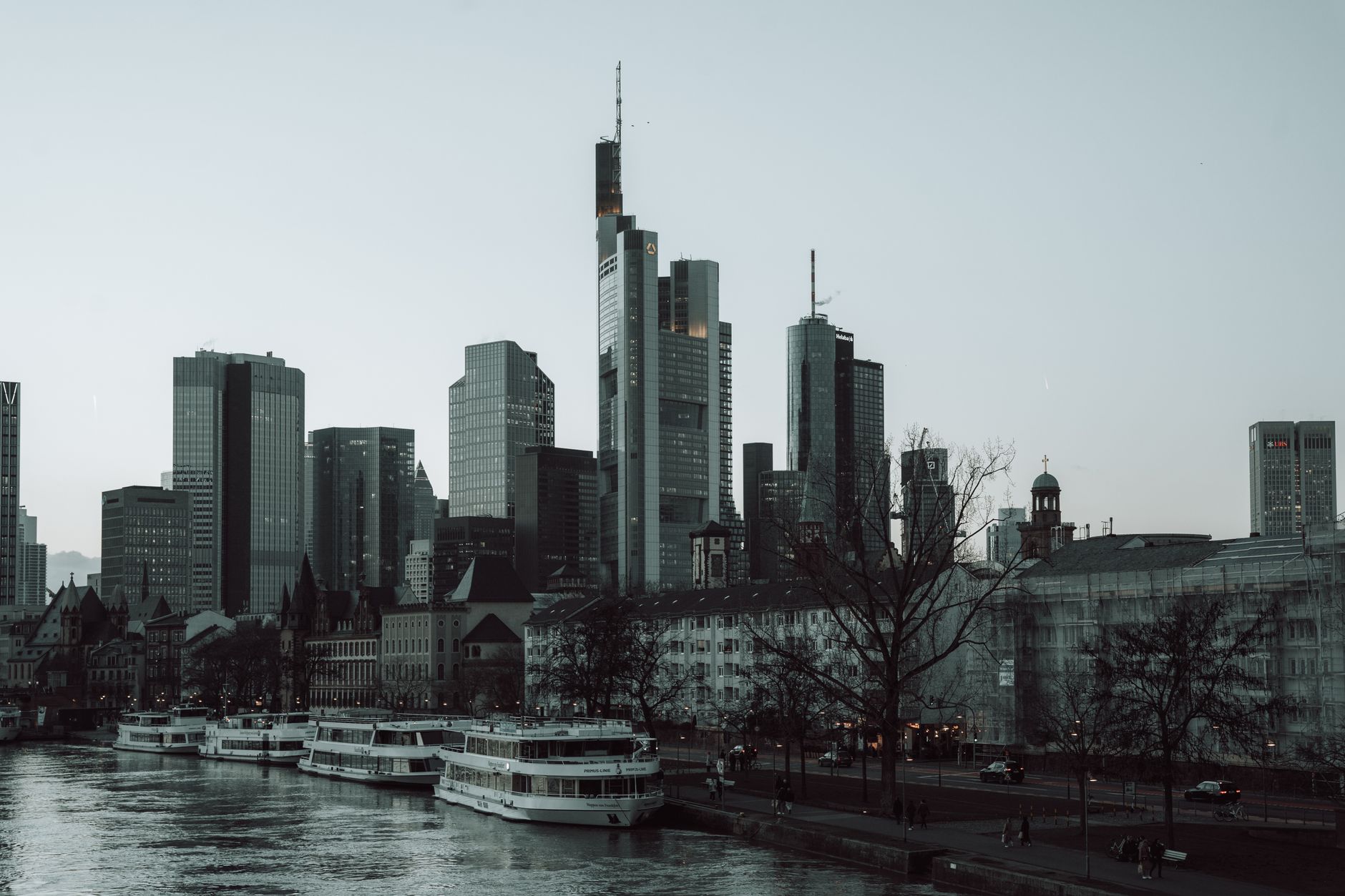
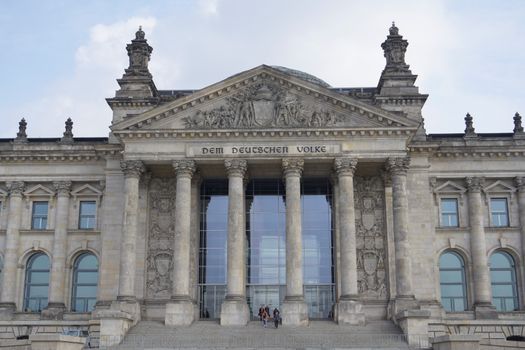 Photo: Mustafa Gökhan Ertin / Pexels
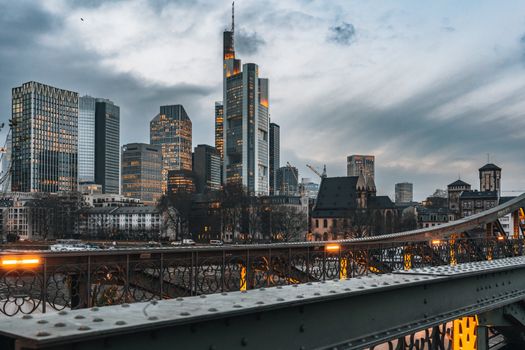 Photo: Masood Aslami / Pexels
 Photo: Kampus Production / Pexels
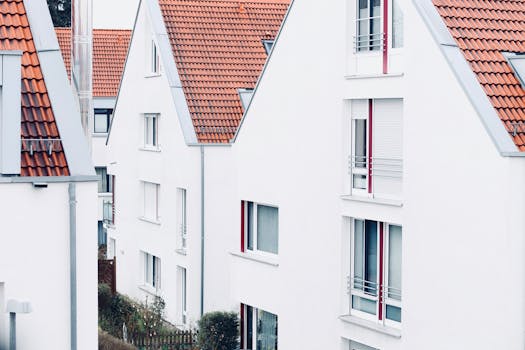 Photo: Felix Lauster / Pexels