✓ Germany offers a stable and transparent real estate market.
✓ Non-residents face no restrictions on property ownership in Germany.
✓ Property acquisition typically involves a notary and can take several weeks.
✓ Rental income and capital gains for non-residents are subject to German tax laws.
How It Works
1
Define Your Investment Strategy
Determine your investment goals, budget, and preferred property type (residential, commercial, holiday rental). This initial clarity will guide your search and decision-making process effectively.
2
Secure Financing and Legal Counsel
Explore financing options, which might include German banks or international lenders, and engage experienced legal and tax advisors. These professionals are crucial for navigating local regulations and optimizing your investment structure.
3
Property Search and Due Diligence
Begin searching for suitable properties, conducting thorough due diligence on each potential asset. This includes reviewing property documents, assessing market value, and checking for any encumbrances or development plans.
4
Purchase Agreement and Notarization
Once a property is chosen, a purchase agreement is drafted and signed before a German notary, who legally registers the transaction. This notarization is a mandatory step for property transfer in Germany.
Understanding the Appeal of German Property Investment
Photo: Masood Aslami / Pexels
Germany has long been a beacon of economic stability within Europe, and its real estate market reflects this strength. For non-resident investors, the country presents a compelling landscape of opportunities, characterized by robust economic growth, a high demand for housing, and a transparent legal framework. Unlike some other nations, Germany places no restrictions on foreign ownership of real estate, making it an accessible market for international buyers. This openness, coupled with relatively stable property values and attractive rental yields in key urban centers, positions Germany as a prime destination for long-term investment. Cities like Berlin, Munich, Hamburg, and Frankfurt consistently demonstrate strong rental markets and capital appreciation potential, driven by growing populations, thriving job markets, and a high quality of life. Even secondary cities and university towns offer interesting prospects, often with lower entry prices and steady demand from students and young professionals. The German government’s commitment to urban development and infrastructure projects further enhances the appeal, promising continued growth and improved connectivity.
Before diving in, it's crucial for non-residents to understand the nuances of the German market. While stability is a hallmark, regional variations in price development and rental demand can be significant. Researching specific locations and their economic drivers is paramount. For instance, while Munich boasts some of the highest property prices, its rental yields might be lower compared to a rapidly developing city like Leipzig. Conversely, smaller towns might offer higher yields but slower capital appreciation. Investors should also consider the different types of properties available, from traditional apartments (Eigentumswohnung) in multi-family homes to commercial units or even entire apartment buildings. Each type comes with its own set of risks and rewards, aligning with different investment strategies. The legal and tax environment, while transparent, requires expert navigation to ensure compliance and optimize returns. Engaging local experts, such as real estate agents, lawyers, and tax advisors, is not merely recommended but often essential for a smooth and successful investment journey. Their insights can help decipher local market trends, navigate bureaucratic procedures, and ensure all legal obligations are met, providing peace of mind for an investor located outside of Germany. This initial groundwork lays the foundation for a secure and profitable venture into the German real estate market, leveraging its inherent strengths while mitigating potential challenges. Learn more about European finance regulations.
Navigating Legal and Tax Frameworks for Non-Residents
Photo: Leeloo The First / Pexels
One of the primary concerns for any non-resident investor is understanding the legal and tax implications of owning property in a foreign country. In Germany, the legal framework for real estate transactions is robust, transparent, and designed to protect all parties involved. A cornerstone of this system is the mandatory involvement of a notary (Notar) for all property purchases. The notary acts as an impartial legal advisor, responsible for drafting the purchase agreement, verifying the identities of buyer and seller, ensuring the property title is clear, and registering the change of ownership in the Land Register (Grundbuch). This process provides a high level of legal certainty and significantly reduces the risk of fraud or disputes. For non-residents, engaging a notary who is fluent in English or has access to certified translators is highly recommended to ensure full comprehension of all legal documents. It's also advisable to appoint a local lawyer who can represent your interests, conduct thorough due diligence, and advise on any specific legal aspects that might arise, such as building regulations or tenancy laws.
From a tax perspective, non-residents are subject to German tax laws on income generated from German property. This primarily includes rental income and capital gains from the sale of property. Rental income is generally subject to income tax, with rates varying based on the amount of income. However, non-residents can typically deduct various expenses, such as property management fees, maintenance costs, and interest on mortgages, from their taxable rental income. This can significantly reduce the effective tax burden. Capital gains tax is levied on the profit made from selling a property. A crucial aspect for non-residents is the speculation period (Spekulationsfrist). If a residential property is sold within ten years of its acquisition, any profit is subject to capital gains tax. However, if the property has been used exclusively for own habitation in the year of sale and the two preceding years, or if it is held for longer than ten years, the capital gains are generally tax-free. This 10-year rule is a significant factor for investors planning their exit strategy. For commercial properties, the 10-year rule does not apply; capital gains are always taxable.
Navigating these tax complexities often requires the expertise of a German tax advisor. They can help optimize your tax structure, ensure compliance with all reporting requirements, and advise on potential double taxation treaties between Germany and your country of residence, which can prevent you from being taxed twice on the same income. Understanding these legal and tax obligations upfront is vital for a successful and compliant investment. It allows investors to accurately project their returns, avoid unexpected liabilities, and make informed decisions throughout the property ownership lifecycle. This careful planning ensures that the investment remains profitable and hassle-free, aligning with the transparent and predictable nature of the German market.
Financing Your German Property and Property Management
Photo: RDNE Stock project / Pexels
Securing financing is a critical step for many non-resident investors looking to purchase property in Germany. While it is possible to purchase with cash, obtaining a mortgage can leverage your investment and potentially increase your return on equity. German banks are generally open to lending to non-residents, but the requirements can be more stringent than for local borrowers. Typically, non-residents may need to provide a larger down payment, often ranging from 30% to 50% of the property's value, depending on the bank and the applicant's financial profile. Lenders will assess your creditworthiness, income stability, and existing financial commitments. It's advisable to approach several banks, including both large national institutions and smaller regional ones, as their lending criteria can vary. Engaging a mortgage broker specializing in foreign investors can also be highly beneficial, as they can navigate the various options and help you secure the most favorable terms. Documentation required usually includes proof of income, bank statements, identification, and information about the property itself. The application process can take several weeks, so it's wise to start this early in your investment journey. Interest rates in Germany have historically been attractive, contributing to the overall appeal of property investment.
Once the property is acquired, effective property management becomes paramount, especially for non-residents who are not physically present to oversee their investment. Professional property management companies in Germany offer a comprehensive range of services, including tenant acquisition, lease agreement drafting, rent collection, maintenance coordination, and handling tenant inquiries or issues. Their expertise ensures that your property is well-maintained, tenants are satisfied, and rental income is consistently generated. A good property manager will also keep you informed about any legal changes related to tenancy law and ensure compliance. When selecting a property management company, look for one with a strong track record, positive client reviews, and transparent fee structures. It's also important to clarify what services are included and what might incur additional charges. Communication is key; ensure they have effective channels for updating you regularly on your property's status. While property management fees, typically a percentage of the gross rental income, add to your operational costs, they are often a worthwhile investment, saving you time, stress, and ensuring the smooth operation and preservation of your asset. They act as your local representative, safeguarding your investment and maximizing its potential, allowing you to enjoy the benefits of your German property without the day-to-day operational burdens. Explore options for international investment banking.
Tips for Successful German Real Estate Investment & Common Mistakes to Avoid
Photo: SHOX ART / Pexels
Investing in German real estate as a non-resident offers immense potential, but a strategic approach is essential for success. Here are some key tips and common pitfalls to steer clear of:
**Tips for Success:**
* **Thorough Market Research:** Don't just focus on major cities. Explore secondary cities, university towns, and growing regions that might offer better entry prices and strong rental demand. Understand local economic drivers, demographics, and future development plans.
* **Build a Strong Local Team:** Assemble a reliable team including an experienced real estate agent, a reputable notary, a tax advisor specializing in international clients, and a trustworthy property manager. Their local expertise is invaluable.
* **Understand German Tenancy Law:** German tenant protection laws are robust. Familiarize yourself with tenant rights, eviction procedures, and rent increase regulations to avoid legal complications.
* **Long-Term Perspective:** Germany's real estate market is generally stable rather than speculative. Plan for a long-term investment horizon (e.g., 10+ years) to benefit from capital appreciation and avoid capital gains tax on residential properties.
* **Consider Property Type:** Residential apartments in multi-family homes are popular, but consider other options like commercial units or holiday rentals if they align with your risk appetite and investment goals.
* **Financial Planning:** Secure pre-approval for financing if needed, and budget for all associated costs, including purchase taxes, notary fees, real estate agent commissions, and potential renovation expenses.
**Common Mistakes to Avoid:**
* **Underestimating Transaction Costs:** Beyond the purchase price, expect to pay 6-12% of the purchase price in ancillary costs (Grunderwerbsteuer, notary fees, Land Register fees, agent commission). Failing to budget for these can strain your finances.
* **Ignoring Due Diligence:** Skipping or rushing property due diligence can lead to costly surprises. Thoroughly review all property documents, check for structural issues, and understand any existing tenant contracts.
* **Not Understanding Tax Implications:** Failure to consult with a German tax advisor can lead to incorrect tax filings, missed deductions, or unexpected tax liabilities. Understand the 10-year speculation period for residential properties.
* **Poor Property Management:** Attempting to manage a property from afar without local support can lead to neglected maintenance, tenant dissatisfaction, and lost rental income. Invest in professional property management.
* **Over-reliance on Online Information:** While online resources are helpful, they cannot replace the nuanced insights of local experts. Market conditions can change rapidly, and local knowledge is crucial.
* **Lack of Language Proficiency:** While many Germans speak English, official documents and specific legal or financial terms will be in German. Ensure you have reliable translation services or a bilingual team to avoid misunderstandings.
By carefully considering these tips and proactively avoiding common mistakes, non-resident investors can significantly enhance their chances of a successful and profitable venture into the German real estate market. A well-informed and strategic approach is your best asset.
Comparison
Feature
Residential Apartment (Major City)
Commercial Unit (Secondary City)
Holiday Rental (Tourist Region)
Entry Price
High
Medium
Medium-High
Rental Yield Potential
Moderate (Capital Growth Focus)
Good
High (Seasonal)
Management Complexity
Medium
Medium-High
High
Capital Gains Tax (10-Year Hold)
✗ (Often exempt)
✓ (Always taxable)
✗ (Often exempt)
Tenant Demand
Very High
Variable (Business cycles)
Seasonal
Liquidity
High
Moderate
Moderate
What Readers Say
★★★★★
"Investing in German real estate as a non-resident seemed daunting, but with the right guidance, it was a smooth process. My apartment in Berlin has shown consistent rental income and appreciation."
David Chen · Singapore
★★★★★
"The stability of the German market was a huge draw. I purchased a commercial property in Leipzig, and the yield has been exactly as projected. The legal framework is incredibly transparent."
Maria Rodriguez · Mexico City, Mexico
★★★★★
"Thanks to expert tax advice, I successfully navigated the German tax system as a non-resident. My property in Munich appreciated by 15% in three years, exceeding my expectations."
Ahmed Al-Farsi · Dubai, UAE
★★★★★
"The process took a bit longer than I anticipated, especially with financing, but the end result was worth it. Germany offers a secure investment environment, and I'm happy with my residential unit."
Sophie Dubois · Paris, France
★★★★★
"As an international investor, I appreciated the clear legal steps and notary system. My investment in a holiday rental near the Black Forest is performing well, even with seasonal variations."
Kenji Tanaka · Tokyo, Japan
Frequently Asked Questions
Can a non-resident legally own property in Germany?
Yes, Germany has no restrictions on foreign ownership of real estate. Non-residents, whether individuals or legal entities, can purchase and own any type of property in Germany, including residential, commercial, and land, under the same legal conditions as German citizens.
What are the main risks for non-resident investors in German real estate?
The main risks include currency fluctuations, potential changes in tax laws, liquidity risk in less popular regions, and the complexities of managing a property remotely. It's crucial to mitigate these through careful planning, professional advice, and a long-term investment horizon.
How do I get a mortgage in Germany as a non-resident?
You can apply for a mortgage from German banks, though they typically require a higher down payment (30-50%) and thorough documentation of your financial stability. It's recommended to work with a mortgage broker specializing in foreign investors to navigate the options and secure favorable terms.
What are the typical additional costs when buying property in Germany?
Beyond the purchase price, expect ancillary costs ranging from 6% to 12% of the property value. These include real estate transfer tax (Grunderwerbsteuer, 3.5% to 6.5% depending on the state), notary fees (around 1.5%), land register fees (around 0.5%), and real estate agent commission (typically 3.57% including VAT, but can vary).
Is German real estate a better investment than other European countries for non-residents?
Germany offers unique advantages like economic stability, a transparent legal system, and strong tenant protection. While other European countries may offer higher short-term gains, Germany is often preferred for its long-term stability, predictable returns, and robust legal framework, making it a solid choice for conservative investors.
Who should consider investing in German real estate as a non-resident?
Individuals seeking long-term capital preservation and appreciation, those looking for stable rental income, and investors diversification their portfolio beyond their home country. It's particularly suitable for those who prioritize economic stability and a well-regulated market over speculative high-risk, high-reward ventures.
How safe is my investment in German property?
German property investment is considered very safe due to the country's strong economy, clear legal framework, and the mandatory involvement of a notary in all transactions, which significantly reduces the risk of fraud or legal disputes. The Land Register system also provides full transparency on property ownership and encumbrances.
What are the future trends for the German real estate market?
Future trends suggest continued demand in urban centers due to urbanization and immigration, potential for growth in secondary cities, and increasing focus on sustainable and energy-efficient properties. Interest rates and government policies will also play a crucial role in shaping market dynamics.
Embarking on the journey of investing in German real estate as a non-resident can be a highly rewarding decision. With its stable economy, transparent legal system, and attractive market conditions, Germany offers a robust platform for international property investors. Take the next step to secure your financial future by exploring the opportunities that await you in the heart of Europe.

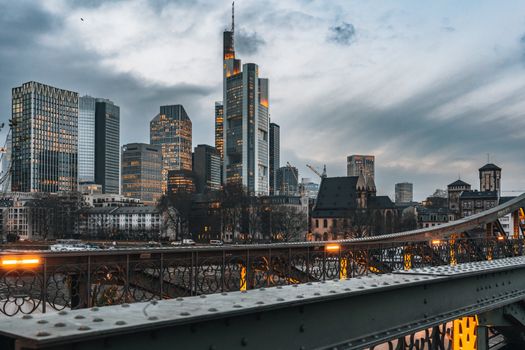 Photo: Masood Aslami / Pexels
 Photo: Leeloo The First / Pexels
 Photo: RDNE Stock project / Pexels
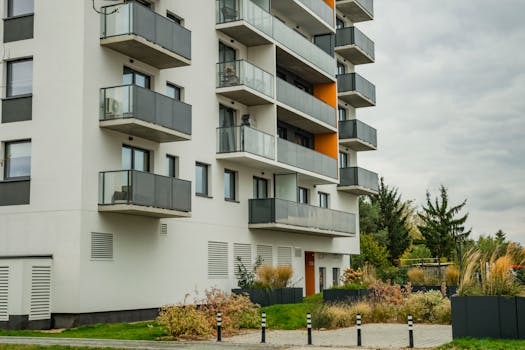 Photo: SHOX ART / Pexels