How to Invest in German Stock Market: A Comprehensive Guide

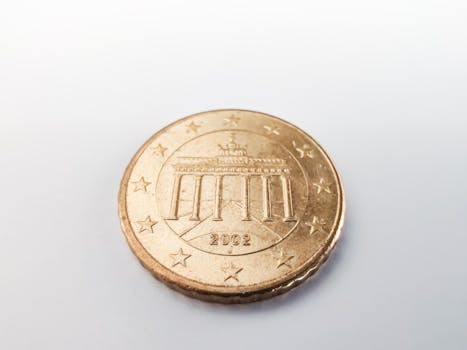
A detailed view of a 2002 Euro coin featuring the Brandenburg Gate, emphasizing currency and design.Photo: Chrishan Sakthisivantha / Pexels

How to Invest in German Stock Market: A Comprehensive Guide

Discover the pathways to investing in Germany's robust economy and capitalize on its leading companies.

Start Your German Investment Journey

Key Takeaways

  • ✓ Germany boasts Europe's largest economy, offering stable investment opportunities.
  • ✓ The DAX 40 is the primary benchmark index, representing Germany's largest companies.
  • ✓ Investors can access the German market through direct stock purchases, ETFs, or mutual funds.
  • ✓ Understanding tax implications and currency exchange is crucial for international investors.

How It Works

1
Understand the German Market

Familiarize yourself with key German indices like the DAX 40, MDAX, and TecDAX. Research leading sectors and prominent companies that align with your investment goals.

2
Choose an Investment Vehicle

Decide whether to invest directly in individual stocks, through Exchange Traded Funds (ETFs) for diversification, or via actively managed mutual funds. Each option has different risk and reward profiles.

3
Select a Brokerage Platform

Open an account with an online broker that offers access to the German stock exchanges (e.g., Xetra, Frankfurt Stock Exchange). Compare fees, available instruments, and research tools.

4
Execute Your Trades

Fund your brokerage account and place your orders. Monitor your investments regularly, stay informed about market news, and adjust your portfolio as needed based on your strategy.

Understanding the German Stock Market Landscape and Key Indices
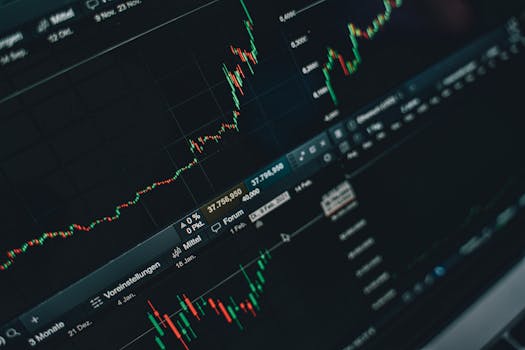
Close-up of stock market trading screen displaying financial growth and charts.Photo: Alesia Kozik / Pexels
Investing in the German stock market offers a compelling opportunity for diversification and growth, given Germany's status as Europe's economic powerhouse. Before diving in, it's crucial to grasp the fundamental structure and key indicators of this vibrant market. At its core, the German stock market is primarily represented by the Frankfurt Stock Exchange (Frankfurter Wertpapierbörse, FWB), which is operated by Deutsche Börse. Within this exchange, the electronic trading platform Xetra plays a dominant role, handling the majority of stock trading volumes in Germany. Understanding these operational aspects is the first step toward successful investing. The most widely recognized benchmark for the German stock market is the DAX 40 (Deutscher Aktienindex). This index comprises the 40 largest and most liquid German companies traded on the Frankfurt Stock Exchange. These are often household names globally, representing diverse sectors such as automotive (e.g., Volkswagen, BMW, Mercedes-Benz), chemicals (e.g., BASF), pharmaceuticals (e.g., Bayer), software (e.g., SAP), and finance (e.g., Allianz, Deutsche Bank). Investing in DAX companies often means investing in established, globally competitive enterprises with a strong track record. The performance of the DAX is a direct reflection of the health of these industrial giants and, by extension, the German economy itself. Beyond the DAX 40, other important indices provide a broader or more specialized view of the German market. The MDAX (Mid-Cap DAX) tracks the performance of the 50 largest companies below the DAX 40, focusing on medium-sized enterprises that often exhibit strong growth potential. These companies might be less known internationally but are significant players in their respective niches. The SDAX (Small-Cap DAX) extends this further, encompassing the 70 largest companies below the MDAX, offering exposure to smaller, often more dynamic businesses. For those interested in the technology sector, the TecDAX focuses on the 30 largest German technology companies, providing a window into innovation and high-growth potential within the German economy. Each of these indices offers a different risk-reward profile. The DAX 40, with its blue-chip components, generally offers more stability, while the MDAX, SDAX, and TecDAX can provide higher growth potential but also come with increased volatility. Understanding which index aligns with your investment strategy and risk tolerance is paramount. Furthermore, monitoring economic indicators specific to Germany and the broader Eurozone, such as GDP growth, inflation rates, interest rates set by the European Central Bank (ECB), and unemployment figures, can provide valuable context for your investment decisions. Germany's strong export-oriented economy means global trade developments also significantly impact its stock market. By thoroughly researching these aspects, investors can build a robust foundation for their German market investments. Finance 101 provides additional context on global market dynamics.

Choosing Your Investment Vehicle: Stocks, ETFs, or Mutual Funds?
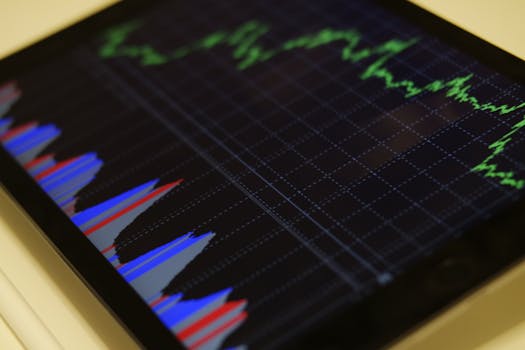
Close-up of a tablet displaying stock market analysis with colorful graphs.Photo: Burak The Weekender / Pexels
Once you have a grasp of the German stock market landscape, the next critical step is to determine the most suitable investment vehicle for your goals. There are primarily three avenues to gain exposure to German equities: direct stock purchases, Exchange Traded Funds (ETFs), and mutual funds. Each option comes with distinct advantages and disadvantages concerning diversification, cost, control, and complexity. Directly purchasing individual stocks allows you to handpick specific German companies that you believe will outperform the market. This approach offers the highest level of control and the potential for significant returns if your chosen companies perform exceptionally well. However, it also carries the highest risk due to lack of diversification. If one or two of your selected companies underperform or face unforeseen challenges, your entire portfolio can be significantly impacted. This strategy requires thorough research into individual company financials, management teams, competitive landscapes, and future growth prospects. It's best suited for experienced investors who have the time and expertise to conduct in-depth analysis and are comfortable with higher risk levels. Examples of popular German stocks include SAP, Siemens, Mercedes-Benz Group, Allianz, and Deutsche Telekom. ETFs (Exchange Traded Funds) offer a compelling alternative for investors seeking diversification and lower costs. An ETF tracking a German index, such as a DAX 40 ETF, holds a basket of stocks that mirrors the performance of that index. This means that by purchasing a single ETF share, you gain exposure to all 40 companies in the DAX, instantly diversifying your investment across multiple sectors and companies. ETFs are typically passively managed, resulting in lower expense ratios compared to actively managed mutual funds. They trade like stocks on exchanges throughout the day, offering liquidity and flexibility. For most retail investors looking to invest in the German stock market without the complexities of individual stock picking, DAX ETFs or broader European ETFs with significant German exposure are an excellent choice. They provide a balanced approach to risk and return, requiring less ongoing management than individual stocks. Mutual funds, while similar to ETFs in offering diversification, are typically actively managed by a fund manager. This manager makes decisions about which German stocks to buy and sell within the fund, aiming to outperform a specific benchmark. While this active management can potentially lead to higher returns, it also comes with higher expense ratios and management fees. Furthermore, there's no guarantee that an actively managed fund will consistently outperform its benchmark or a passively managed ETF. Mutual funds are generally purchased directly from the fund company or through a broker, and their prices are calculated once at the end of each trading day. They might be suitable for investors who prefer professional management and are willing to pay for it, especially if they believe the fund manager has a proven track record in the German market. However, for many, the cost-effectiveness and transparency of ETFs make them a more attractive option for broad market exposure. Your choice among these vehicles should align with your investment knowledge, risk tolerance, time horizon, and the amount of capital you plan to invest. For beginners, ETFs often provide the most straightforward and diversified entry point into the German stock market, while more seasoned investors might opt for a combination of individual stocks and ETFs.

Navigating Brokerage Platforms and Executing Your First Trades

After deciding on your investment vehicle, the next practical step is to choose a suitable brokerage platform and understand the process of executing trades. For investors outside Germany, selecting an international online broker that provides access to European and specifically German stock exchanges is paramount. Many reputable brokers offer this access, but it's essential to compare their features, fee structures, and the range of instruments available. When evaluating brokerage platforms, consider several key factors. First, look at the fees: these can include commission fees per trade, account maintenance fees, inactivity fees, and currency conversion fees. Since you'll likely be dealing with Euros, understanding the foreign exchange rates and any associated costs is crucial. Some brokers offer commission-free trading for ETFs, while others charge a flat fee per trade for stocks. Transparency in fee structures is a sign of a good broker. Second, assess the range of available investment products. Does the broker offer access to all the German indices and individual stocks you are interested in? Do they support ETFs and mutual funds that track the German market? Third, consider the platform's user interface and research tools. A user-friendly platform with robust analytical tools, real-time market data, and educational resources can significantly enhance your investing experience. Finally, evaluate the broker's customer support and regulatory compliance. Ensure the broker is regulated by a reputable financial authority, which provides a layer of protection for your investments. Once you've selected a broker, the process typically involves opening an account, which requires identity verification and providing financial information. This is a standard procedure designed to comply with anti-money laundering (AML) and know-your-customer (KYC) regulations. After your account is approved, you will need to fund it. Most international brokers allow funding via bank transfers, and some may offer other options like debit cards or electronic wallets. Be mindful of any transfer fees or currency conversion costs associated with funding your account. Executing your first trade is usually straightforward. Navigate to the trading section of your broker's platform, search for the German stock or ETF you wish to buy using its ticker symbol (e.g., SAP, VOW3 for Volkswagen, DBK for Deutsche Bank, or a DAX ETF ticker). You'll then specify the number of shares or units you want to purchase and the order type. Common order types include a market order, which executes immediately at the best available price, or a limit order, which allows you to set a maximum price you're willing to pay. For beginners, a limit order can be a safer choice to avoid unexpected price fluctuations. Review all details carefully before confirming your order. Once the order is executed, the shares or ETF units will appear in your portfolio, and you can monitor their performance through the platform. Regular monitoring and staying informed about market news, particularly those impacting Germany and the Eurozone, are vital for managing your investments effectively. Investment platforms often provide dedicated news feeds.

Key Considerations and Common Pitfalls to Avoid in German Market Investing

Investing in the German stock market, while promising, comes with its own set of considerations and potential pitfalls that informed investors should be aware of. Navigating these can significantly impact your investment success and help protect your capital. **Currency Risk:** For non-Eurozone investors, currency fluctuations present a significant risk. If the Euro weakens against your home currency, the value of your German investments, when converted back, will decrease even if the underlying assets perform well. Conversely, a strengthening Euro can boost returns. You can mitigate this risk through currency hedging strategies, though these can add complexity and cost. Alternatively, some ETFs are currency-hedged, automatically mitigating this exposure. **Tax Implications:** Understanding the tax landscape is crucial. Germany has a capital gains tax and a withholding tax on dividends. The specific rates and how they apply to international investors depend on your country of residence and any existing double taxation treaties between Germany and your country. It's highly advisable to consult with a tax advisor specializing in international investments to ensure compliance and optimize your tax efficiency. Failure to do so can lead to unexpected tax liabilities or missed opportunities for tax relief. **Market Volatility and Economic Sensitivity:** While Germany is a stable economy, its stock market is not immune to global economic downturns or specific regional challenges. As a highly export-oriented nation, Germany's economy is sensitive to global trade tensions, supply chain disruptions, and the economic health of its major trading partners. Staying informed about geopolitical events and global economic trends is essential. **Liquidity:** While major DAX 40 stocks are highly liquid, smaller companies in the MDAX or SDAX might have lower trading volumes. This can make it challenging to buy or sell large blocks of shares without impacting the price. Always check the average daily trading volume before investing significantly in less liquid stocks. **Over-Concentration:** Avoid putting all your eggs in one basket. Even if you're bullish on the German market, diversify your portfolio across various sectors and company sizes. Relying too heavily on a single industry (e.g., automotive) or a few individual stocks can expose you to undue risk. ETFs are an excellent tool for achieving instant diversification within the German market. **Emotional Investing:** One of the most common pitfalls in any market is making investment decisions based on fear or greed. Panicking during market downturns and selling at a loss, or chasing hyped stocks during bull runs, often leads to suboptimal results. Stick to your predefined investment strategy, conduct thorough research, and maintain a long-term perspective. **Lack of Research:** Never invest in something you don't understand. Before committing capital, research the companies, industries, and economic factors influencing the German market. Understanding a company's business model, financial health, and competitive advantages is paramount for individual stock selection. For ETFs, understand what index they track and their underlying holdings. By being mindful of these considerations and actively working to avoid these common pitfalls, you can build a more resilient and potentially more profitable investment portfolio in the German stock market. This proactive approach to risk management is a hallmark of successful investing.

Comparison

FeatureIndividual Stocks (DE)DAX 40 ETFsGerman Equity Mutual Funds
DiversificationLow (single company)High (40 companies)High (managed portfolio)
Cost (Expense Ratio)Brokerage fees onlyLow (0.05-0.30%)High (0.50-2.00%)
Control/FlexibilityHigh (choose specific firms)Medium (index exposure)Low (manager decides)
Research RequiredHigh (company-specific)Low (index-level)Medium (fund manager)
LiquidityVaries by stockHighVaries by fund structure
Risk LevelHighestMediumMedium-High
Active Management

What Our Readers Say

5 ★★★★★

"This guide truly demystified how to invest in the German stock market for me. The breakdown of indices and investment vehicles was incredibly clear, giving me the confidence to start my portfolio with DAX ETFs."

5 ★★★★★

"As a UK investor, the section on currency risk and tax implications was invaluable. It helped me choose a broker that manages these aspects efficiently, making my first German stock purchase smooth and transparent."

5 ★★★★★

"I used to only invest locally, but this article opened my eyes to the potential of other German indices beyond the DAX. My portfolio is now more diversified, and I've seen a 7% growth in my MDAX holdings within six months."

4 ★★★★☆

"The information on brokerage platforms was very helpful, though I would have liked a few more specific broker recommendations. Nevertheless, the detailed explanation of order types and fees was excellent for a first-time international investor."

5 ★★★★★

"I was looking for a comprehensive resource on how to invest in the German stock market without getting bogged down in jargon. This guide delivered, providing practical steps and insightful warnings about common pitfalls. Highly recommend!"

Frequently Asked Questions

What is the primary index for investing in the German stock market?
The primary index for investing in the German stock market is the DAX 40. It represents the 40 largest and most liquid companies traded on the Frankfurt Stock Exchange, serving as a key indicator of the German economy's health and performance.
Is it risky to invest in the German stock market?
All stock market investments carry risk, including the German market. While Germany has a stable economy, factors like global economic downturns, geopolitical events, and company-specific issues can affect returns. Diversification and a long-term perspective can help mitigate some risks.
How can I buy German stocks from outside Germany?
You can buy German stocks from outside Germany by opening an account with an international online brokerage platform that offers access to European exchanges like Xetra or the Frankfurt Stock Exchange. You'll fund your account, search for the desired stock or ETF, and place an order.
What are the typical costs associated with investing in German equities?
Costs can include brokerage commissions per trade, currency conversion fees if your base currency isn't EUR, account maintenance fees, and expense ratios for ETFs or mutual funds. These costs vary significantly between brokers and investment vehicles.
Should I invest in individual German stocks or ETFs?
The choice depends on your investment goals and risk tolerance. Individual stocks offer higher control and potential returns but also higher risk and require more research. ETFs provide instant diversification, lower costs, and less active management, making them suitable for many investors, especially beginners.
Who should consider investing in the German stock market?
Investors seeking diversification outside their domestic market, those looking for exposure to a strong European economy, or individuals interested in established, globally competitive companies should consider investing in the German stock market. It's suitable for both long-term growth and dividend-focused strategies.
What are the tax implications for international investors in German stocks?
International investors may be subject to German capital gains tax and withholding tax on dividends. The exact implications depend on your country of residence and any existing double taxation treaties. Consulting a tax advisor specializing in international investments is highly recommended to understand your specific obligations and potential reliefs.
How might Brexit or other EU developments affect German stock market investments?
Brexit and other EU developments can impact the German stock market through changes in trade agreements, regulatory frameworks, and overall economic sentiment in Europe. Germany's export-oriented economy is particularly sensitive to the stability and economic health of its trading partners within and outside the EU. Investors should monitor these developments closely.

Ready to unlock the potential of Europe's largest economy? By understanding the intricacies of how to invest in the German stock market, you're now equipped to make informed decisions and build a robust, diversified portfolio. Start your journey today and capitalize on Germany's economic strength.

Topics: invest in German stock marketGerman equitiesDAX investmentEuropean stock marketinternational investing