✓ A good Schufa score is crucial for loan approval in Germany.
✓ Non-EU citizens often face stricter requirements, including a valid residence permit and stable income.
✓ Interest rates vary significantly based on your creditworthiness and loan type.
✓ Online comparison portals can help you find competitive loan offers quickly.
How It Works
1
Assess Your Financial Situation
Before applying, meticulously review your income, expenses, and existing debts. This helps determine an affordable loan amount and repayment plan.
2
Gather Required Documents
Prepare all necessary paperwork, including proof of income, identity, residence, and potentially your Schufa report. Having these ready streamlines the application process.
3
Compare Loan Offers
Utilize online comparison platforms and consult multiple banks to find the most favorable interest rates and terms. Focus on the effective annual interest rate (effektiver Jahreszins).
4
Submit Your Application
Complete the chosen bank's application, either online or in person, ensuring all information is accurate. The bank will then conduct a credit check and assess your eligibility.
Understanding the German Loan Landscape and Eligibility
Photo: Monstera Production / Pexels
Navigating the financial world in a new country can be daunting, and understanding how to get a loan in Germany is no exception. Germany's banking system is robust, regulated, and often more conservative than in some other nations, which means a structured approach is essential for successful loan applications. The first and most critical step is to understand the fundamental eligibility criteria. For any loan, whether it's a personal loan, a car loan, or a mortgage, banks will primarily assess your creditworthiness, your ability to repay, and your legal status in Germany.
At the core of creditworthiness in Germany is the Schufa score. Schufa Holding AG is Germany's largest credit bureau, and almost every bank will request your Schufa report before approving a loan. A high Schufa score (typically above 95%) indicates a low risk of default, making you a more attractive borrower. Conversely, a low score can lead to rejection or significantly higher interest rates. Factors influencing your Schufa score include your payment history (e.g., paying bills on time), the number of bank accounts and credit cards you hold, and any past defaults. It's advisable to request a free annual Schufa data copy (Datenkopie nach Art. 15 DS-GVO) to review your score and correct any inaccuracies before applying for a loan.
Beyond Schufa, banks look at your income stability. You typically need to demonstrate a steady income, often from employment, for at least six months, sometimes even longer for larger loans like mortgages. Freelancers and self-employed individuals may face stricter scrutiny, requiring more extensive financial records (e.g., tax returns, business statements) to prove income consistency. Your employment contract's duration also plays a role; an unlimited contract (unbefristeter Arbeitsvertrag) is generally preferred over a fixed-term one (befristeter Arbeitsvertrag).
Residency status is another non-negotiable requirement. You must have a valid residence permit (Aufenthaltstitel) that covers at least the duration of the loan repayment period, or ideally, a permanent residence permit (Niederlassungserlaubnis). Banks are generally hesitant to lend to individuals whose right to stay in Germany is uncertain or shorter than the loan term. For non-EU citizens, this often means having been in Germany for a significant period, typically a minimum of 12-24 months, with a stable employment history.
Age is also a factor; you must be at least 18 years old to enter into a loan agreement. While there's no upper age limit, older applicants might face additional checks regarding their pension or retirement plans. Finally, having a German bank account (Girokonto) is mandatory, as loan disbursements and repayments are typically processed through it. Understanding these foundational elements is the first critical step toward successfully securing financing. For more detailed information on managing your finances in Germany, you can explore our guide on personal finance in Germany.
Types of Loans Available and How to Choose
Photo: Monstera Production / Pexels
Germany offers a variety of loan products designed to meet different financial needs. Understanding these options is key to choosing the right one when you are looking into how to get a loan in Germany. The most common types include personal loans, car loans, mortgages, and overdraft facilities. Each comes with its own set of characteristics, advantages, and specific application requirements.
**Personal Loans (Ratenkredit/Konsumentenkredit):** These are perhaps the most straightforward and widely available loans. Personal loans are typically unsecured, meaning you don't need to provide collateral like a car or property. They are often used for a wide range of purposes, such as home renovations, consolidating existing debts, purchasing consumer goods, or funding a vacation. Repayment is usually fixed over a set period (e.g., 12 to 84 months) in equal monthly installments. Interest rates for personal loans can vary significantly based on your creditworthiness, the loan amount, and the repayment term. It's crucial to compare the 'effektiver Jahreszins' (effective annual interest rate), which includes all costs and fees, to get a true picture of the loan's expense.
**Car Loans (Autokredit):** Specifically designed for purchasing a vehicle, car loans often come with lower interest rates than personal loans because the car itself serves as collateral. The bank may hold the vehicle's registration document (Zulassungsbescheinigung Teil II or Fahrzeugbrief) until the loan is fully repaid. This type of loan can be obtained directly from car dealerships (often in partnership with banks) or from independent banks. Comparing offers from both sources is highly recommended to ensure you get the best deal.
**Mortgages (Baufinanzierung/Immobiliendarlehen):** For those looking to buy property in Germany, mortgages are long-term, secured loans. They typically involve substantial amounts and repayment periods stretching over decades. German mortgages are known for their relatively stable interest rates, especially for fixed-rate periods (Zinsbindung) which can range from 5 to 20 years or more. Eligibility criteria are much stricter, requiring a significant down payment (usually 10-20% of the property value, plus purchasing costs) and a very strong financial profile.
**Overdraft Facility (Dispositionskredit or Dispo):** While not a traditional installment loan, an overdraft facility linked to your current account allows you to overdraw up to a certain limit. This is a short-term, flexible borrowing option, but it comes with very high interest rates (often 10-15% or more). It should only be used for emergencies and repaid as quickly as possible to avoid accumulating significant interest charges.
**Credit Cards (Kreditkarte):** Similar to overdrafts, credit cards offer a revolving line of credit. While convenient for purchases, carrying a balance on a credit card typically incurs very high interest rates. It's best used for convenience and paid off in full each month to avoid interest charges.
When choosing a loan, consider your specific need, the amount required, your repayment capacity, and the desired repayment term. Always prioritize loans with the lowest effective annual interest rate. Utilizing online comparison portals (such as Check24, Verivox) is an excellent way to compare multiple offers simultaneously and find the most suitable product for your situation. These platforms allow you to input your details and receive personalized, non-binding offers, making the comparison process efficient and transparent.
The Loan Application Process and Essential Documents
Photo: Andrea Piacquadio / Pexels
Successfully navigating the loan application process is crucial when figuring out how to get a loan in Germany. While the exact steps can vary slightly between banks and loan types, a general framework applies. Being prepared with all necessary documentation and understanding each stage will significantly increase your chances of approval.
**1. Initial Inquiry and Comparison:** Begin by researching different banks and loan providers. As mentioned, online comparison portals are invaluable here. They allow you to input your desired loan amount, repayment term, and personal details to receive personalized offers. It’s important to note that many initial checks on these platforms are 'Schufa-neutral' (Schufa-neutraler Konditionsanfrage), meaning they won't negatively impact your credit score.
**2. Pre-Application Assessment:** Once you've identified a few promising offers, you might proceed with a 'Kreditanfrage' (loan inquiry) directly with a bank. This is a more detailed check and might be registered with Schufa, so it’s best to limit these to only serious contenders. The bank will assess your general eligibility based on initial information.
**3. Document Submission:** This is where preparation pays off. Banks will request a set of documents to verify your identity, income, and residence. Common requirements include:
* **Proof of Identity:** Valid passport or German ID card (Personalausweis). For non-EU citizens, a valid residence permit (Aufenthaltstitel) is also essential.
* **Proof of Residence:** Meldebescheinigung (registration certificate) or recent utility bill.
* **Proof of Income:** Recent payslips (Gehaltsnachweise) for the last three to six months. If self-employed, tax assessments (Steuerbescheide) and business financial statements (BWA - Betriebswirtschaftliche Auswertung) for the last 1-3 years.
* **Bank Statements:** Recent statements (Kontoauszüge) from your German current account to show income and expenditure patterns.
* **Schufa Auskunft:** While banks usually request this directly, having your own copy can be beneficial for review.
* **Employment Contract:** Copy of your current employment contract (Arbeitsvertrag), especially crucial if it's a new job or a fixed-term contract.
* **Loan Purpose Documentation (for specific loans):** For a car loan, the purchase agreement; for a mortgage, property details and purchase contract drafts.
**4. Credit Check and Underwriting:** The bank will conduct a thorough credit check, primarily using your Schufa score, but also analyzing your income, expenses, and debt-to-income ratio. They will assess your capacity to repay the loan responsibly. This stage can take anywhere from a few hours for small personal loans to several weeks for mortgages.
**5. Loan Offer and Contract:** If approved, the bank will present you with a binding loan offer (Kreditvertrag). This document will detail the loan amount, interest rate (effective annual interest rate is key!), repayment schedule, total cost of the loan, and any special conditions. Read this contract meticulously before signing. Don't hesitate to ask for clarification on any points you don't understand.
**6. Loan Disbursement:** Once the contract is signed and all conditions met, the loan amount will be transferred to your designated German bank account.
Remember, transparency and honesty are paramount throughout this process. Providing accurate information ensures a smoother application and builds trust with the lender. For further insights into managing your finances effectively, consider exploring resources on financial planning in Germany.
Common Pitfalls and Smart Strategies for German Loans
Photo: RDNE Stock project / Pexels
Securing a loan in Germany can be a straightforward process if you're well-prepared, but there are several common pitfalls that applicants, especially expats, often encounter. Being aware of these and employing smart strategies can significantly improve your chances of approval and help you secure better terms.
**Common Pitfalls:**
* **Poor Schufa Score:** This is the most significant hurdle. Any late payments, unpaid bills, or too many credit inquiries can negatively impact your score. Not having a credit history in Germany (for new arrivals) can also be a challenge, as banks have no data to assess your reliability.
* **Insufficient Income Stability:** Banks prefer stable, long-term employment. Frequent job changes, short-term contracts, or inconsistent freelance income can be red flags.
* **Lack of Proper Documentation:** Missing or incomplete documents can lead to delays or outright rejection. Ensure all paperwork is up-to-date and correctly translated if necessary.
* **Applying for Too Much:** Requesting a loan amount that exceeds your repayment capacity is a common mistake. Banks will assess your debt-to-income ratio carefully.
* **Not Comparing Offers:** Accepting the first offer without comparing can lead to paying significantly higher interest rates than necessary.
* **Ignoring the 'Effektiver Jahreszins':** Focusing only on the nominal interest rate is misleading. The effective annual interest rate (effektiver Jahreszins) includes all fees and charges, giving you the true cost of the loan.
* **Short Residence Permit:** For non-EU citizens, a residence permit that expires before the loan term is a major obstacle. Banks need assurance you'll be legally in Germany to repay.
**Smart Strategies:**
* **Build a Strong Schufa Score:** If new to Germany, start building credit history responsibly. Open a German bank account, get a mobile phone contract, and pay all bills on time. Avoid unnecessary credit inquiries. You can request a free Schufa data copy annually to monitor your score.
* **Secure Stable Employment:** Aim for an unlimited employment contract (unbefristeter Arbeitsvertrag) before applying for significant loans. If self-employed, ensure your financial records are meticulously maintained and demonstrate consistent profitability over several years.
* **Prepare Documents Diligently:** Create a folder (digital or physical) with all required documents before you even start applying. This includes payslips, bank statements, ID, residence permit, and employment contract. Having them ready shows organization and seriousness.
* **Determine Affordable Repayments:** Use online loan calculators to estimate monthly repayments for different loan amounts and terms. Ensure the repayment comfortably fits into your budget, leaving room for unexpected expenses.
* **Utilize Comparison Portals:** Websites like Check24 and Verivox are invaluable. They allow you to compare offers from multiple banks quickly and often provide non-binding, Schufa-neutral quotes. This ensures you find the most competitive rates.
* **Consider a Co-Borrower (Bürge/Zweitkreditnehmer):** If your creditworthiness is borderline, having a financially strong co-borrower (e.g., a spouse or family member with good credit) can significantly increase your chances of approval and potentially secure a better interest rate. However, remember they become equally responsible for the loan.
* **Maintain a Good Banking Relationship:** If you have a long-standing relationship with a German bank, they might be more willing to offer you a loan, especially if you have a history of responsible financial management with them.
* **Be Patient and Persistent:** The process might take time, especially for larger loans or if your situation is complex. Don't get discouraged by initial rejections; understand the reasons and address them before reapplying elsewhere.
* **Read the Fine Print:** Always read the loan contract thoroughly before signing. Pay attention to early repayment options (Sondertilgungsrechte), penalties for late payments, and cancellation clauses.
By understanding these common pitfalls and implementing these smart strategies, you'll be much better equipped to successfully navigate how to get a loan in Germany and achieve your financial goals.
Comparison
Feature
Personal Loan
Car Loan
Mortgage
Purpose
Flexible (consumer goods, debt consolidation)
Vehicle purchase
Property acquisition
Collateral
Unsecured
Vehicle itself
Property itself
Interest Rates (Avg.)
Moderate to high (variable)
Lower (secured)
Lowest (secured, long-term)
Repayment Term
1-7 years
1-7 years
10-30+ years
Schufa Impact
High
High
Very High
Down Payment Req.
✗
✗ (but often advisable)
✓ (10-20% + costs)
Complexity
Low
Medium
High
What Readers Say
★★★★★
"This guide was incredibly helpful in understanding how to get a loan in Germany. I followed the advice on comparing offers and secured a personal loan for my home renovation at a much better rate than I initially expected. The emphasis on Schufa was spot on!"
Anja Schmidt · Berlin, Germany
★★★★★
"As an expat, the section on residency permits and building a credit history was invaluable. I learned exactly what documents I needed to prepare to get a loan in Germany, making my application process with a local bank much smoother."
Carlos Rivera · Munich, Germany
★★★★★
"I used the comparison table to decide between a personal loan and a car loan for my new vehicle. Thanks to this article, I understood the benefits of a secured car loan and saved a significant amount on interest. Highly recommend for anyone looking to get a loan in Germany!"
Lena Meier · Hamburg, Germany
★★★★★
"The information on the 'effektiver Jahreszins' was crucial. While the process was still a bit complex as a freelancer, this guide provided a clear roadmap and helped me gather all necessary tax documents, which ultimately led to my loan approval."
David Müller · Frankfurt, Germany
★★★★★
"I was overwhelmed by the thought of applying for a mortgage. This article broke down the requirements and process for how to get a loan in Germany, specifically for property. It gave me the confidence to start my home-buying journey."
Sofia Rossi · Stuttgart, Germany
Frequently Asked Questions
What is the most important factor for getting a loan in Germany?
The most crucial factor for securing a loan in Germany is your Schufa score, which reflects your creditworthiness. A high score indicates a low risk to lenders. Stable income, a valid residence permit, and a German bank account are also fundamental requirements.
Can I get a loan in Germany as an expat or non-EU citizen?
Yes, it is possible, but often with stricter requirements. You'll need a stable income, a valid residence permit covering the loan term, a German bank account, and a good Schufa history. Some banks may require you to have lived in Germany for a minimum period (e.g., 1-2 years).
How do I check my Schufa score before applying for a loan?
You can request a free annual data copy (Datenkopie nach Art. 15 DS-GVO) from Schufa Holding AG directly via their website. This allows you to review your credit information and correct any inaccuracies before making a loan application.
What is the 'effektiver Jahreszins' and why is it important?
The 'effektiver Jahreszins' (effective annual interest rate) is the true cost of a loan, including all fees and charges. It's crucial because it allows for a direct comparison between different loan offers, providing a more accurate picture of the total expenses than just the nominal interest rate.
Are there loans available without a Schufa check?
While some niche providers advertise 'loans without Schufa' (Kredit ohne Schufa), these are often associated with very high interest rates and are generally not recommended due to their risk and cost. Reputable German banks will always perform a Schufa check.
Who should consider getting a loan in Germany?
Anyone with a clear financial need (e.g., buying a car, home renovation, debt consolidation, property purchase) who has stable employment, a good credit history, and the ability to comfortably repay the loan should consider applying. It's a tool for financing significant life events responsibly.
What are the risks of taking out a loan in Germany?
The primary risks include defaulting on payments, which severely damages your Schufa score and can lead to legal action, and accruing high interest if you don't compare offers carefully. Over-borrowing beyond your repayment capacity is also a significant risk that can lead to financial strain.
Will digital loan applications become more common in Germany?
Yes, digital loan applications are already very common and are expected to become even more prevalent. Many banks now offer fully online application processes, often with video identification (VideoIdent) and digital signatures, making it faster and more convenient to get a loan in Germany.
Ready to take control of your financial future in Germany? Armed with this comprehensive guide, you now understand how to get a loan in Germany, the types available, and how to navigate the application process. Start comparing offers today to find the perfect financing solution for your needs.

 Photo: Monstera Production / Pexels
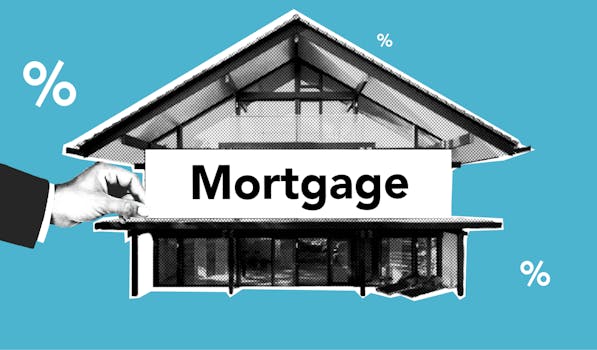 Photo: Monstera Production / Pexels
 Photo: Andrea Piacquadio / Pexels
 Photo: RDNE Stock project / Pexels