Mastering Financial Planning for Digital Nomads Germany
financial planning for digital nomads Germany

Mastering Financial Planning for Digital Nomads Germany

Unlock the secrets to financial freedom and security while embracing your digital nomad journey in Germany.

Start Your Financial Journey

Key Takeaways

  • ✓ Germany's tax system can be complex for digital nomads, requiring careful registration and understanding of tax residency.
  • ✓ Health insurance is mandatory in Germany, with options for public or private coverage depending on income and status.
  • ✓ Proper financial planning includes understanding German banking, investment opportunities, and pension schemes.
  • ✓ Visa requirements, such as the Freelancer Visa, impact your legal and financial obligations in Germany.

How It Works

1
Assess Your Tax Residency Status

Determine whether you are considered a tax resident in Germany or another country. This dictates where and how you pay taxes on your global income.

2
Secure Mandatory Health Insurance

Choose between public (GKV) or private (PKV) health insurance based on your income, employment status, and long-term plans. This is a legal requirement.

3
Optimize Banking and Investments

Open a German bank account for local transactions and explore investment options tailored for international residents. Consider tax-efficient strategies.

4
Plan for Long-Term Financial Security

Address pension planning, emergency funds, and estate planning, adapting these to your nomadic lifestyle while adhering to German regulations.

Understanding German Tax Implications for Remote Workers

Flat lay of financial tools for tax preparation including forms, calculator, and calendar. Photo: Leeloo The First / Pexels
For digital nomads contemplating Germany as a base, one of the most critical aspects of financial planning is deciphering the country's tax system. Germany operates on a worldwide income principle for tax residents, meaning if you are deemed a tax resident, you are liable for taxes on all your income, regardless of where it was earned. The first step, therefore, is to clearly establish your tax residency status. This isn't always straightforward for a digital nomad. Generally, if you spend more than six months (183 days) in Germany, or if your primary residence or 'center of vital interests' is in Germany, you will likely be considered a tax resident. However, even shorter stays can trigger tax obligations if you establish a permanent home. Many digital nomads enter Germany on a Freelancer Visa (Aufenthaltserlaubnis zur Ausübung einer freiberuflichen Tätigkeit), which explicitly grants you the right to live and work as a self-employed individual. This visa type comes with specific tax implications, including the need to register with the local tax office (Finanzamt) and obtain a tax ID (Steuernummer). As a self-employed digital nomad, you'll generally be subject to income tax (Einkommensteuer), and if your income exceeds certain thresholds, you might also be liable for trade tax (Gewerbesteuer) and VAT (Umsatzsteuer). The income tax rates in Germany are progressive, ranging from 14% to 45%, plus a solidarity surcharge (Solidaritätszuschlag) of 5.5% on the income tax, and potentially church tax (Kirchensteuer) if you are registered with a recognized religious community. Understanding deductible expenses is crucial for minimizing your tax burden. These can include business-related travel, home office costs, professional development, and even certain health insurance premiums. Keeping meticulous records of all income and expenses is paramount. It’s highly advisable to consult with a German tax advisor (Steuerberater) who specializes in international taxation or digital nomad finances. They can help you navigate the complexities of double taxation treaties, ensure proper registration, and optimize your tax strategy to avoid penalties. Ignoring these obligations can lead to significant fines and complications, making proactive tax planning an indispensable part of your financial setup in Germany. Furthermore, understanding the nuances of how long you can stay and work without becoming a tax resident in Germany versus other countries is vital for multinational tax optimization. This often involves careful tracking of your days spent in various jurisdictions and understanding the specific tax treaties between Germany and your country of origin.

Navigating Mandatory Health Insurance and Social Security

Scrabble tiles spelling health insurance on a planner next to a laptop. Photo: Leeloo The First / Pexels
One of the most non-negotiable aspects of living in Germany, even as a digital nomad, is securing adequate health insurance. It is a legal requirement for everyone residing in the country. Failure to have valid health insurance can lead to significant penalties, including retroactive premium payments and even denial of visa extensions. For digital nomads, the choice typically lies between the public health insurance system (Gesetzliche Krankenversicherung - GKV) and private health insurance (Private Krankenversicherung - PKV). The GKV is generally open to employees earning below a certain threshold, but for self-employed individuals, it can be an option if you previously had public insurance in another EU country or if your income is below a specific limit. Premiums in the GKV are income-dependent, typically around 14.6% of your gross income, plus an additional contribution that varies by insurer, shared between employer and employee, but fully borne by the self-employed. It offers comprehensive coverage and family insurance options. Private health insurance (PKV) is often the preferred choice for self-employed digital nomads, especially those with higher incomes or specific medical needs. Premiums are not income-dependent but are based on factors like age, health status, and desired coverage level. PKV offers a wider range of services, including faster access to specialists, private hospital rooms, and more flexible dental care. However, once you opt for PKV, it can be difficult to switch back to GKV, especially as you get older or if your health deteriorates. Therefore, this decision requires careful consideration of your long-term plans and health requirements. It's crucial to compare different providers and plans, paying close attention to deductibles, co-payments, and the extent of coverage. International health insurance policies might be an option, but they must meet the stringent requirements of German law to be accepted for visa purposes. Many digital nomads find specialized expat insurance providers helpful in navigating these choices. Beyond health insurance, social security contributions in Germany are typically mandatory for employees but optional for self-employed individuals. This includes contributions to the public pension scheme (Deutsche Rentenversicherung), unemployment insurance, and long-term care insurance. While opting out might save money in the short term, it means foregoing future benefits. It's essential to evaluate whether voluntary contributions to the German pension scheme align with your long-term financial strategy or if private pension schemes (e.g., Riester-Rente or Rürup-Rente) offer more suitable alternatives for your nomadic lifestyle. Again, expert advice from a financial planner or insurance broker specializing in expat services in Germany is invaluable here.

Smart Banking, Investments, and Retirement for Nomads in Germany
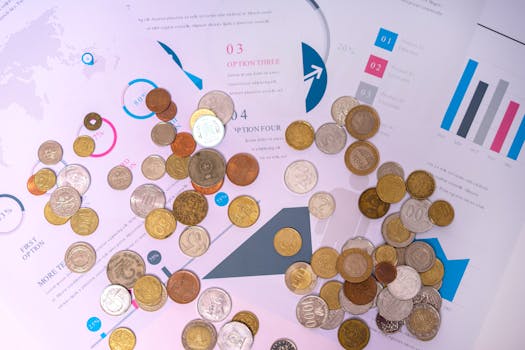
Image of various coins on financial documents with graphs and charts. Photo: Atlantic Ambience / Pexels
Establishing a robust financial infrastructure is paramount for any digital nomad in Germany, starting with your banking setup. While international accounts are convenient, having a local German bank account is often essential for daily life, receiving payments from German clients, and fulfilling legal requirements like tax payments. Most traditional German banks offer current accounts (Girokonto) with online banking facilities. However, neo-banks or online-only banks (e.g., N26, Revolut, Commerzbank's Comdirect) have gained popularity among digital nomads due to their user-friendly interfaces, lower fees, and English-speaking support. When choosing a bank, consider fees for international transfers, ATM withdrawals, and the ease of account opening for non-residents. Some banks may require a registered address in Germany, which can be a hurdle for new arrivals. Beyond basic banking, strategic investment planning becomes crucial for building wealth as a digital nomad. Given the transient nature of this lifestyle, liquidity and flexibility are often prioritized. Investment options in Germany include stocks, bonds, mutual funds, and ETFs. ETFs (Exchange Traded Funds) are particularly popular for their diversification and lower fees. However, be aware of the German 'Abgeltungsteuer' (flat tax on investment income) of 25% plus solidarity surcharge and church tax. Understanding the tax implications of capital gains and dividends is vital. For long-term goals, consider setting up a brokerage account with a German or international broker that complies with German regulations. Diversifying your investments across different asset classes and geographies can mitigate risks associated with currency fluctuations and economic changes. For those looking to invest in real estate, Germany offers various opportunities, but this requires a more significant commitment and understanding of local property laws and financing options. Financial independence is often a core goal for digital nomads, and smart investing is a key component. Retirement planning for digital nomads presents unique challenges. Without a traditional employer-sponsored pension, you are solely responsible for building your retirement nest egg. While voluntary contributions to the German public pension scheme are possible, many digital nomads opt for private pension solutions. These include private annuities, investment plans through brokerage accounts, or international pension schemes. The 'Riester-Rente' and 'Rürup-Rente' are government-subsidized private pension plans in Germany, offering tax benefits, but they come with specific conditions and may not be suitable for those who plan to leave Germany permanently. A diversified approach combining various investment vehicles and potentially an international pension plan can offer greater flexibility and security. Regularly reviewing your financial plan, adapting it to your changing income, travel plans, and market conditions, is essential for maintaining financial well-being throughout your nomadic journey. Seeking advice from a fee-only financial planner who understands the intricacies of cross-border finance and the digital nomad lifestyle can provide invaluable guidance.

Essential Tips and Common Mistakes for Digital Nomad Finance in Germany

Successfully managing your finances as a digital nomad in Germany requires diligence and foresight. Here are some essential tips and common pitfalls to avoid: **Tips for Success:** * **Maintain Clear Financial Separation:** Keep your personal and business finances strictly separate. Open a separate business bank account for all your professional income and expenses. This simplifies accounting, tax declarations, and provides a clearer overview of your business's financial health. * **Automate Savings and Investments:** Set up automated transfers to your savings and investment accounts. Even small, regular contributions add up significantly over time. This ensures you're consistently building your emergency fund and retirement savings without having to actively think about it. * **Build a Robust Emergency Fund:** Aim for at least 6-12 months of living expenses in an easily accessible, high-yield savings account. This is especially crucial for digital nomads whose income might fluctuate or who face unexpected travel or health costs. * **Understand Double Taxation Treaties:** Germany has double taxation treaties with many countries. Familiarize yourself with the treaty between Germany and your home country to avoid paying taxes twice on the same income. A tax advisor can help interpret these complex agreements. * **Prioritize Professional Development:** Invest in skills that increase your earning potential. The digital nomad lifestyle often means self-employment, and continuous learning is key to staying competitive and securing higher-paying contracts. * **Leverage Digital Tools:** Utilize budgeting apps, accounting software, and expense trackers to streamline your financial management. Tools like Lexoffice or sevDesk are popular in Germany for self-employed individuals. **Common Mistakes to Avoid:** * **Ignoring Tax Registration:** Failing to register with the German tax authorities (Finanzamt) or incorrectly declaring your income can lead to severe penalties, back taxes, and legal issues. Don't assume your foreign income isn't taxable in Germany. * **Underestimating Health Insurance Costs:** Health insurance is mandatory and can be expensive. Not budgeting adequately for premiums, especially for private insurance, can strain your finances. Do thorough research before committing. * **Neglecting Pension Planning:** Relying solely on short-term income without planning for retirement is a major oversight. The nomadic lifestyle doesn't exempt you from needing a secure future. Start investing early, even if it's in a flexible, international vehicle. * **Lack of an Emergency Fund:** Without a safety net, any unexpected event – illness, client loss, travel disruption – can derail your financial stability and force you to return home prematurely. Always have liquid funds available. * **Mixing Currencies Carelessly:** Frequent international transactions without considering exchange rates and transfer fees can erode your earnings. Use multi-currency accounts or services like Wise (formerly TransferWise) for cost-effective international money transfers. * **Not Seeking Professional Advice:** German financial regulations are complex. Attempting to navigate everything alone, especially taxes and insurance, can lead to costly errors. A specialized tax advisor or financial planner is an investment, not an expense.

Comparison

FeaturePublic Health Insurance (GKV)Private Health Insurance (PKV)International Nomad Insurance
Premium CalculationIncome-dependentAge & health-dependentCoverage & destination-dependent
Coverage ScopeStandard, comprehensiveBroader, customizableVariable, often emergency-focused
Family CoverageFamily included (often free)Each member separately insuredOften individual plans
Switching OptionsDifficult to switch to PKV laterDifficult to switch to GKV laterHighly flexible
Provider ChoiceLimited choice of GKV fundsWide choice of private insurersWide choice of international providers
Acceptance for Visa✗ (often not sufficient for long-term German visa)
Pre-existing ConditionsCoveredMay lead to higher premiums/exclusionsMay be excluded or higher premiums

What Readers Say

"As a new digital nomad in Germany, the tax system felt overwhelming. This guide broke down financial planning for digital nomads Germany into manageable steps, helping me understand residency and registration. I feel much more confident now."

Lena M. · Berlin, Germany

"The sections on health insurance were invaluable. I was struggling to choose between public and private options, and this article provided the clarity I needed to make an informed decision for my specific situation."

Tom K. · Munich, Germany

"Thanks to the advice on banking and investments, I've opened a German neo-bank account and started an ETF savings plan. My finances are finally structured, leading to a 15% increase in my monthly savings rate."

Sarah P. · Leipzig, Germany

"The information on retirement planning for digital nomads was very helpful, though I would have appreciated a bit more detail on specific international pension providers. Still, a solid overview of financial planning for digital nomads Germany."

David R. · Hamburg, Germany

"This article is a must-read for anyone considering the digital nomad lifestyle in Germany. The tips on avoiding common mistakes saved me from several potential headaches, especially regarding tax obligations."

Maria G. · Frankfurt, Germany

Frequently Asked Questions

What is the most critical first step for financial planning for digital nomads Germany?

The most critical first step is determining your tax residency status in Germany. This dictates your tax obligations on worldwide income. It often involves tracking your days in Germany and understanding the 'center of vital interests' principle. Consulting a German tax advisor early on is highly recommended.

Is health insurance truly mandatory for digital nomads in Germany?

Yes, health insurance is absolutely mandatory for everyone residing in Germany, including digital nomads. You must have valid coverage to obtain and maintain your visa. Failure to comply can lead to significant fines and retroactive premium payments, so secure it immediately upon arrival.

How do I open a bank account in Germany as a self-employed digital nomad?

You can open a German bank account, often with online-only banks like N26 or Revolut, which are generally more accommodating for non-residents and freelancers. Traditional banks might require a registered address and more paperwork. Ensure the bank supports international transfers and has low fees.

What are the typical costs associated with financial planning for digital nomads Germany?

Costs vary but include health insurance premiums (potentially several hundred euros per month), taxes (progressive income tax, solidarity surcharge, potentially VAT), and fees for professional services like tax advisors (hourly rates or project-based). Budgeting for these is crucial to avoid financial strain.

How does German financial planning for digital nomads compare to other EU countries?

Germany's system is generally more complex than some other EU countries, particularly regarding tax residency and mandatory health insurance. While offering robust social security and infrastructure, it requires more proactive planning and adherence to regulations compared to countries with simpler, more 'nomad-friendly' tax schemes.

Who should seek professional financial advice when being a digital nomad in Germany?

Anyone moving to Germany as a digital nomad should seek professional financial advice, especially regarding taxes, health insurance, and investment strategies. This is particularly true for those with complex income streams, international assets, or intentions for long-term residency.

Are there any specific risks for digital nomads regarding finances in Germany?

Key risks include misinterpreting tax residency rules leading to unexpected tax burdens, inadequate health insurance coverage resulting in high medical bills, and not planning for long-term financial security like retirement. Currency fluctuation and managing finances across different jurisdictions also pose risks.

What future trends might impact financial planning for digital nomads in Germany?

Future trends include potential changes in tax laws specifically targeting remote workers, increased scrutiny of digital nomad visa requirements, and the continued evolution of digital banking and investment platforms. Staying informed about legislative changes and technological advancements will be crucial.

Don't let financial complexities derail your digital nomad dream in Germany. Take control of your future by implementing a robust financial plan today. Consult with a specialist to ensure your journey is not just adventurous, but also financially secure and compliant.

Topics: financial planning for digital nomads Germanydigital nomad taxes GermanyGerman financial regulations for nomadsexpat financial advice Germanyremote work finance Germany
Leo List
Brampton weed
Adultwork