Essential Expat Banking Services Germany: Your Guide
expat banking services germany

Essential Expat Banking Services Germany: Your Guide

Unlock seamless financial integration and peace of mind with the best banking solutions tailored for expats in Germany.

Find Your Ideal Bank

Key Takeaways

  • ✓ Most German banks require proof of address for account opening.
  • ✓ Digital banks offer faster setup and often lower fees for expats.
  • ✓ IBAN and BIC are crucial for all transactions within Germany and the EU.
  • ✓ German banks generally offer excellent online banking and mobile apps.

How It Works

1
Research & Compare Options

Identify banks that cater specifically to expats, considering language support, fees, and digital features. Look into both traditional and modern online banks.

2
Gather Required Documents

Prepare your passport/ID, visa/residence permit, proof of address (Meldebescheinigung), and possibly a German tax ID. Some banks may require an employment contract.

3
Open Your Account

Apply online or in person. Online verification often uses VideoIdent or PostIdent. Once approved, your debit card and PIN will be mailed separately.

4
Set Up Key Services

Activate online banking, set up direct debits for rent and utilities, and explore international transfer options. Familiarize yourself with your bank's app and customer service.

Navigating the German Banking Landscape as an Expat
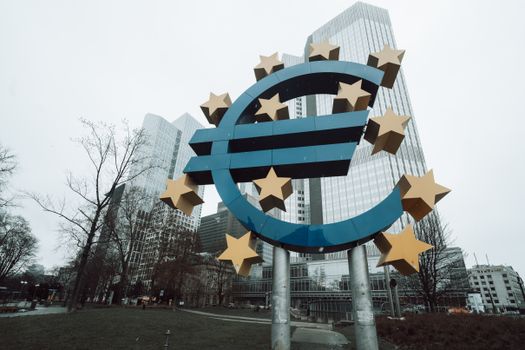
Iconic Euro sculpture in front of skyscrapers in Frankfurt during a winter day. Photo: Masood Aslami / Pexels
Moving to a new country is an exciting adventure, but it often comes with a myriad of administrative challenges. For expats in Germany, one of the most critical first steps is establishing a solid financial foundation. This involves understanding the unique aspects of German banking and identifying the expat banking services Germany offers that best suit your needs. Unlike some other countries, Germany's banking system is robust, reliable, and highly digitized, yet it can present specific hurdles for newcomers, especially regarding documentation and language barriers. The good news is that a growing number of financial institutions are now explicitly catering to the international community, simplifying the process considerably. Traditionally, opening a bank account in Germany required a physical visit to a branch, a German address (Meldebescheinigung), and often, some German language proficiency. While this is still an option with many established banks, the rise of digital and challenger banks has revolutionized the landscape, offering much more accessible and expat-friendly alternatives. These modern banks often allow for fully online account opening processes, sometimes even before you arrive in Germany, and provide customer support in English. Understanding the differences between these options – from traditional giants like Deutsche Bank or Commerzbank to digital innovators like N26 or Revolut – is paramount to making an informed decision. Your choice will significantly impact your daily financial life, from receiving your salary and paying bills to making international transfers and saving for the future. We'll delve into the specifics of each type, helping you weigh the pros and cons to find the perfect match for your individual circumstances. Furthermore, it's not just about opening an account; it's about understanding the financial ecosystem. This includes familiarizing yourself with terms like 'Girokonto' (current account), 'EC-Karte' (debit card, often branded Girocard), 'SEPA' (Single Euro Payments Area), and the importance of your 'IBAN' and 'BIC' for all transactions. A comprehensive understanding of these elements forms the bedrock of successful financial integration in Germany. It’s also crucial to consider future financial needs, such as potential loans, investments, or even setting up a business account, as these might influence your initial banking choice. For more general financial advice in Germany, you can consult this finance guide for expats.

Essential Account Types and Features for Expats
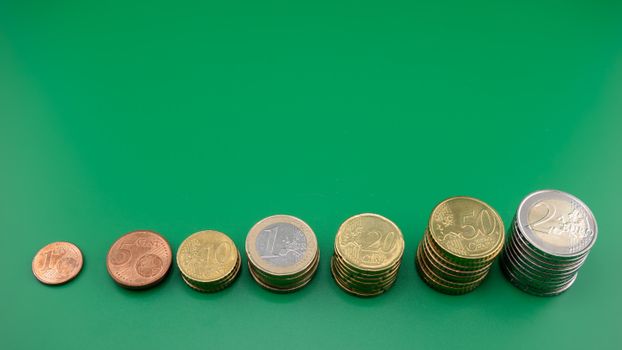
Various euro coins stacked incrementally on a vibrant green background. Photo: Eleonora Vokueva / Pexels
When seeking expat banking services Germany provides, understanding the various account types and their features is crucial. The primary account you'll need is a 'Girokonto,' which is the equivalent of a current or checking account. This account is essential for receiving your salary, paying rent, utilities, and setting up direct debits (Lastschrift) – a very common payment method in Germany. Most Girokonten come with an EC-Karte (Girocard), which is widely accepted for payments in shops and for withdrawing cash from ATMs. While many banks also offer a MasterCard or Visa debit card, the Girocard is often preferred by smaller retailers. It's important to check the fees associated with Girokonten, as some traditional banks charge monthly maintenance fees, while many digital banks offer free accounts, often conditional on a minimum monthly income or age. Beyond the basic Girokonto, you might consider a 'Sparkonto' (savings account) or 'Tagesgeldkonto' (call money account) for saving money. These offer varying interest rates and accessibility. A Tagesgeldkonto typically offers flexible access to your funds with better interest rates than a Girokonto, making it suitable for emergency savings. For long-term savings, a Sparkonto might be appropriate, though interest rates in Germany have been historically low. For those looking to invest, many banks offer 'Depotkonten' (brokerage accounts) for stocks, funds, and ETFs. However, these often require a deeper understanding of the German investment landscape and may be better explored once you are settled. Another critical feature to consider is international money transfer capabilities. While SEPA transfers within the Eurozone are usually free and fast, transferring money to or from non-Euro countries can incur significant fees and less favorable exchange rates with traditional banks. Many digital banks and specialized money transfer services offer more competitive rates and lower fees for international transfers, which is a significant advantage for expats who frequently send money home or receive funds from abroad. Additionally, look for banks that offer robust online banking platforms and mobile apps, as these will be your primary interface for managing your finances. Features like instant notifications, budgeting tools, and easy bill payments can greatly enhance your banking experience. Finally, consider customer service availability and language support. Many traditional German banks primarily offer German-speaking support, which can be a challenge. Digital banks often pride themselves on multilingual customer service, a huge benefit for expats. Some banks even offer specific expat packages that bundle these features, making them a one-stop solution for newcomers. The choice of features should align with your lifestyle and financial habits to ensure a smooth transition into German financial life.

Traditional vs. Digital: Choosing Your Expat Banking Partner

Close-up of a hand holding US dollar bills and a smartphone outdoors, showcasing financial technology. Photo: Pixabay / Pexels
When considering expat banking services Germany offers, a pivotal decision lies between opting for a traditional brick-and-mortar bank or embracing the convenience of digital-only banks. Each approach presents distinct advantages and disadvantages, and the best choice ultimately depends on your personal preferences, financial habits, and comfort with technology. Traditional banks, such as Deutsche Bank, Commerzbank, Sparkasse, or Volksbank, have an extensive branch network across Germany. This provides the comfort of face-to-face interaction, which can be invaluable for complex queries, notarized documents, or simply for those who prefer human contact over digital interfaces. They often offer a broader range of financial products, including mortgages, investment advice, and comprehensive insurance services, all under one roof. However, opening an account can be more bureaucratic, often requiring appointments, physical documentation, and a registered German address (Meldebescheinigung). Their fees can also be higher for basic current accounts, and English-speaking customer service may not be as readily available or consistent across all branches. Digital banks, on the other hand, have emerged as a highly popular option for expats due to their streamlined, often fully online account opening processes. N26, Revolut, and Comdirect (a direct bank owned by Commerzbank but operating digitally) are prime examples. These banks typically offer free current accounts, user-friendly mobile apps with advanced features like budgeting tools, instant notifications, and often, superior exchange rates for international transfers. Their customer support is frequently multilingual, with English being a standard offering, and accessible via chat, email, or phone. The main drawback is the lack of physical branches, which means no cash deposits (though some offer workarounds via partner stores) and no in-person consultations. While they excel at daily banking needs, their range of complex financial products might be more limited compared to traditional banks. For many expats, especially those who are tech-savvy and comfortable managing their finances entirely through an app, digital banks offer unparalleled convenience and cost-effectiveness. The decision often boils down to whether you prioritize personal interaction and a full suite of services or ease of access, lower fees, and modern digital tools. Many expats even opt for a hybrid approach: a digital bank for daily transactions and a traditional bank for specific long-term needs. For comprehensive guidance on managing your finances as an expat, explore this expat finance resource.

Tips for Seamless Expat Banking in Germany

Close-up of hands exchanging euro banknotes, symbolizing financial transactions and currency exchange. Photo: cottonbro studio / Pexels
Opening a bank account is just the first step; truly integrating into the German financial system requires a few more strategic considerations. Here are some essential tips to ensure your expat banking experience in Germany is as smooth as possible: * **Get Your Meldebescheinigung Promptly:** This official registration of your address is almost universally required to open a full German bank account. Make an appointment at your local Bürgeramt as soon as you arrive. * **Understand the PostIdent/VideoIdent Process:** Many digital banks and some traditional banks use these identity verification methods. PostIdent involves taking your ID to a post office, while VideoIdent is a video call with an agent. Be prepared with your passport or national ID. * **Familiarize Yourself with SEPA:** The Single Euro Payments Area makes euro transfers within the EU/EEA as easy as domestic transfers. Understand that IBAN (International Bank Account Number) and BIC (Bank Identifier Code) are your primary account identifiers. * **Set Up Direct Debits (Lastschriften):** Most recurring bills in Germany – rent, utilities, internet, phone – are paid via direct debit. This is highly common and efficient, but ensure you have sufficient funds to avoid fees for returned debits. * **Be Aware of Fees:** While many digital banks offer free accounts, some traditional banks charge monthly maintenance fees. Also, check for ATM withdrawal fees, especially if you use ATMs outside your bank's network. Using your Girocard at your bank's ATMs is usually free. * **Leverage English-Speaking Support:** If your German isn't fluent, prioritize banks that offer customer service in English. This can save you a lot of frustration when dealing with complex issues. * **Consider a German Tax ID (Steuerliche Identifikationsnummer):** While not always required for account opening, you'll need it for employment and other financial activities. It's usually sent automatically after registration. * **Keep an Eye on Exchange Rates for International Transfers:** If you frequently send or receive money internationally, compare exchange rates and fees from various providers (banks, Wise, Revolut) to get the best deal. * **Understand German Debit vs. Credit Culture:** Germans primarily use debit cards (Girocard/EC-Karte) for daily transactions. Credit cards are less common for everyday purchases, though widely accepted online and for travel. Building credit in Germany is a separate process and often takes time. * **Explore Mobile Payment Options:** Many German banks support mobile payment systems like Google Pay or Apple Pay, offering convenience for on-the-go transactions. By following these tips, you can confidently navigate the German banking system and ensure your financial life as an expat is well-managed and stress-free. Proactive preparation and understanding the local nuances will be your greatest assets.

Comparison

FeatureN26 (Digital)Deutsche Bank (Traditional)Revolut (Digital)
Account OpeningOnline, VideoIdentBranch/Online, PostIdentOnline, VideoIdent
English SupportExcellentGood (varying by branch)Excellent
Monthly Fees (Basic)Free (Standard)Varies (€0-€10+)Free (Standard)
Physical Branches
International TransfersCompetitive ratesHigher fees/ratesVery competitive rates
Girocard (EC-Karte)✓ (Maestro/Debit)✗ (Mastercard/Visa Debit)
Cash DepositsLimited (via partners)✗ (Limited via partners)
Investment ProductsLimitedComprehensiveLimited (Crypto, Stocks)

What Readers Say

"Opening my N26 account was incredibly easy, even before I had my Meldebescheinigung. The app is fantastic, and their English support for expat banking services in Germany is a lifesaver. Highly recommend for new arrivals!"

Sarah J. · Berlin, Germany

"Commerzbank was great for my expat banking needs. They helped me set up everything in person, and their staff were patient with my limited German. It felt very secure and traditional, which I appreciated."

Mark T. · Munich, Germany

"Thanks to Revolut's competitive exchange rates, I've saved a significant amount on international transfers back home. It's an indispensable part of my expat banking services in Germany strategy."

Elena P. · Hamburg, Germany

"Sparkasse offers solid, reliable expat banking services in Germany, but their online banking could be more modern. It works well for my daily needs, but sometimes I wish for more advanced digital features."

David L. · Frankfurt, Germany

"As a freelancer, I needed flexible expat banking services in Germany. N26's business account allowed me to separate my finances easily, and the instant notifications are perfect for tracking payments."

Chloé M. · Cologne, Germany

Frequently Asked Questions

Can I open a German bank account before arriving in Germany?

Yes, some digital banks like N26 or Revolut allow you to open an account with a foreign address initially, provided you can verify your identity online. However, you'll typically need to update it with a German address (Meldebescheinigung) soon after arrival to maintain full account functionality.

Is a German tax ID (Steuer-ID) required to open a bank account?

While not always strictly required for the initial account opening, most banks will ask for your German tax ID once you have one. It's automatically sent to your registered address after you complete your 'Anmeldung' (registration of residence) at the Bürgeramt.

How do I verify my identity for a German bank account?

Common methods include VideoIdent (online video call with an agent, requiring a valid ID/passport) or PostIdent (taking your ID/passport to a German post office). Some traditional banks also offer in-branch verification.

What are the typical fees for expat banking services in Germany?

Fees vary widely. Many digital banks offer free current accounts, often with conditions like minimum monthly income. Traditional banks may charge monthly maintenance fees ranging from €0 to €10+, plus potential fees for ATM withdrawals outside their network or for international transfers.

Are German credit cards common, or should I stick to debit cards?

Debit cards (Girocard/EC-Karte) are much more prevalent for everyday transactions in Germany. While credit cards are accepted online and for travel, building credit in Germany is a process, and direct debits are the standard for recurring payments. Many expats start with a debit card and consider a credit card later.

Which bank is best for expat banking services Germany offers if I don't speak German?

Digital banks like N26, Revolut, and Monese are excellent choices as they offer full English language support for their apps, online banking, and customer service. Comdirect, while a German bank, also has strong digital offerings and English support.

How secure are German banks for expats?

German banks are highly regulated and considered very secure. Deposits up to €100,000 per customer per bank are protected by the European Deposit Guarantee Scheme, offering a high level of security for your funds.

What are the future trends in expat banking services in Germany?

The trend is towards more digital, mobile-first solutions with increased language support and integrated financial tools. We can expect further innovation in international transfer services, personalized budgeting, and potentially more accessible investment options tailored for the international community.

Ready to simplify your financial life in Germany? Explore our recommended expat banking services Germany options today and take the first step towards seamless financial integration. Your perfect German bank account is just a click away.

Topics: expat banking services germanygerman bank account for foreignersdigital banks germany expatinternational money transfer germanyfinancial planning germany expat
Leo List
Brampton weed
Adultwork EstrelaBet Vai de Bet R7 Bet Betão Galera Bet Rainbet Bet9ja Shop SportyBet BetKing Sisal Loto Foot Hollywoodbets YesPlay Odibets RushBet Jugabet BetWarrior BetCity MSport betPawa Fortebet