Expat Banking Germany Comparison: Your Ultimate Guide
expat banking Germany comparison

Expat Banking Germany Comparison: Your Ultimate Guide

Unlock seamless financial management in Germany with our expert comparison of banking options tailored for expatriates.

Compare Banks Now

Key Takeaways

  • ✓ German banks offer diverse account types: Girokonto (current), Sparkonto (savings), and Depot (investment).
  • ✓ Many traditional banks require proof of Anmeldung (registration) and Schufa (credit score) for full accounts.
  • ✓ Neo-banks and online-only options are increasingly popular for expats due to easier setup and English support.
  • ✓ Fees vary significantly; look for free current accounts (kostenloses Girokonto) and transparent international transfer costs.

How It Works

1
Assess Your Needs

Determine your primary banking requirements, such as international transfers, English support, or physical branches. Consider your income source and how frequently you'll need cash.

2
Research & Compare

Utilize online comparison tools and expat forums to identify banks that cater specifically to international residents. Pay close attention to monthly fees, ATM access, and foreign transaction charges.

3
Gather Documents

Prepare necessary paperwork including your passport, visa/residence permit, proof of address (Anmeldung), and potentially a German tax ID (Steueridentifikationsnummer). Some banks may also ask for proof of income.

4
Open Your Account

Apply online or in person, depending on the bank. Be prepared for identity verification (PostIdent or VideoIdent) and ensure you understand all terms and conditions before finalizing your choice.

Understanding the German Banking Landscape for Expats

Evening view of Frankfurt skyline with modern skyscrapers and illuminated bridge. Photo: Masood Aslami / Pexels
Moving to a new country, especially one with a distinct financial system like Germany, can be daunting. One of the first and most critical steps for any expat is establishing a reliable bank account. The German banking landscape is characterized by a mix of traditional brick-and-mortar institutions, cooperative banks, public savings banks (Sparkassen), and an increasing number of innovative online-only banks and neo-banks. Each category offers different benefits and drawbacks, particularly for non-German speakers or those without established credit histories. Traditional banks, such as Deutsche Bank, Commerzbank, and HypoVereinsbank, often provide comprehensive services, including investment advice, loans, and extensive branch networks. However, they may have stricter requirements for account opening, including proof of residence (Anmeldung) and a good Schufa score, which can be challenging for newcomers. Their online interfaces and customer service might also be predominantly in German, posing a language barrier for some. On the other hand, Sparkassen and Volksbanken/Raiffeisenbanken are local and regional institutions, known for their community focus. While they might offer personalized service, their digital offerings can sometimes lag behind larger commercial banks, and their fees might vary significantly by region. For expats seeking convenience and a more streamlined digital experience, neo-banks like N26, Revolut, and Wise (formerly TransferWise) have emerged as popular choices. These banks typically offer entirely online account opening processes, often with English-language support, and frequently provide free basic current accounts. They are particularly attractive for those who prioritize ease of use, low fees for international transactions, and mobile-first banking. However, they usually lack physical branches, which might be a disadvantage for expats who prefer face-to-face interaction or need to deposit cash frequently. When embarking on your expat banking Germany comparison, it's crucial to consider your individual needs. Do you require frequent cash deposits? Is English-speaking customer service a priority? How often will you be making international transfers? Understanding these factors will guide you towards the most suitable banking solution. Remember that while a basic Girokonto (current account) is essential for daily transactions, you might also consider a Sparkonto (savings account) or a Depot (investment account) as your financial situation stabilizes. Exploring the various options thoroughly is key to a smooth financial transition in Germany. For more general financial advice in Germany, you can check out our guide on managing personal finance in Germany.

Key Factors for Expats: What to Look For in a German Bank Account
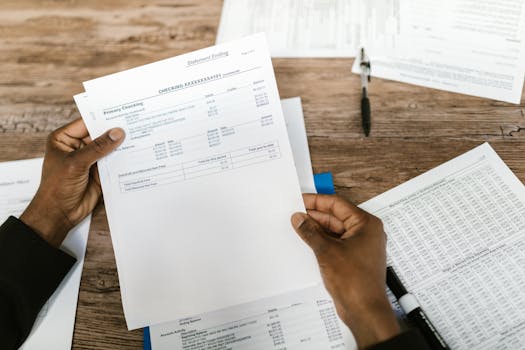
Hands holding financial papers for tax preparation and analysis. Photo: RDNE Stock project / Pexels
Choosing the right bank account as an expat in Germany goes beyond just finding a 'free' option. Several critical factors should influence your decision to ensure your banking experience is as smooth and cost-effective as possible. Firstly, consider the ease of account opening. Many traditional German banks require an Anmeldung (proof of registration at a German address) and a German tax ID (Steueridentifikationsnummer), which can take time to acquire after arrival. Some online banks, however, allow you to open an account with just your passport and a foreign address initially, simplifying the process for new arrivals. Secondly, customer service and language support are paramount. While many Germans speak English, official banking communications and complex inquiries might still require German proficiency. Look for banks that offer dedicated English-speaking support lines, English online banking interfaces, and clear documentation in English. This can save you significant frustration and potential misunderstandings. Thirdly, fees and charges are a major consideration. German banks can levy various fees, including monthly account maintenance fees (Kontoführungsgebühren), ATM withdrawal fees (especially from non-bank ATMs), and charges for international transfers. Many neo-banks offer free basic current accounts, but always scrutinize the fine print for hidden costs, particularly for services like debit card replacement or exceeding certain transaction limits. Fourthly, international transfers are often a frequent need for expats. Compare exchange rates and transfer fees for sending money home or receiving funds from abroad. Some banks partner with services like Wise or Revolut, while others have their own competitive international transfer options. Access to ATMs (Geldautomaten) is another practical aspect. While major cities have ample ATMs, rural areas might be less serviced. Check if your chosen bank is part of a larger ATM network (e.g., Cash Group, Sparkassen-Finanzgruppe) to avoid withdrawal fees. Finally, consider additional services such as overdraft facilities (Dispokredit), credit cards, and investment options. While you might not need these immediately, having access to them from your primary bank can be convenient as your financial situation evolves. A robust mobile banking app is also a significant advantage, offering convenience for managing your finances on the go. Prioritizing these factors in your expat banking Germany comparison will help you select a bank that genuinely meets your specific needs and simplifies your financial life in Germany.

Top Contenders in Expat Banking Germany Comparison: Detailed Overview
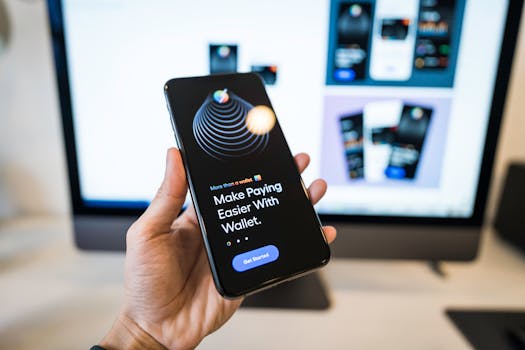
Hand holding smartphone displaying digital wallet app interface, blurred monitor in background. Photo: Tranmautritam / Pexels
When it comes to expat banking in Germany, several institutions stand out, each with its unique strengths and weaknesses. Understanding these differences is crucial for making an informed decision. **N26:** As a prominent neo-bank, N26 is a favorite among many expats for its fully digital account opening process, often completed within minutes from your smartphone. It offers an entirely English-language app and customer support, making it highly accessible for non-German speakers. The basic 'Standard' account is free and includes a Mastercard debit card. N26 is excellent for daily banking, international transfers (often integrated with Wise), and budgeting features. However, it lacks physical branches, and cash deposits are typically done via partner stores (e.g., Rewe, Penny) with potential fees. Some users report occasional issues with customer service responsiveness for complex problems. **Revolut:** Similar to N26, Revolut is another popular digital banking alternative. It offers multi-currency accounts, competitive exchange rates, and a user-friendly app available in multiple languages, including English. Revolut is particularly strong for frequent international travelers and those who deal with multiple currencies, offering fee-free currency exchange up to certain limits. It also provides budgeting tools, instant notifications, and various subscription plans with additional benefits like travel insurance. Like N26, it operates without physical branches, and cash deposit options are limited. **Commerzbank:** Among traditional German banks, Commerzbank is often recommended for expats due to its relatively expat-friendly approach. They offer an 'Expat Service' with English-speaking advisors and can sometimes be more flexible with initial documentation requirements compared to other traditional banks. They have an extensive branch network across Germany, allowing for in-person support and cash deposits. While they offer free current accounts under certain conditions (e.g., minimum monthly deposit), otherwise, monthly fees apply. Their online banking portal and app are generally good, though not as streamlined as neo-banks. **Deutsche Bank:** As Germany's largest bank, Deutsche Bank offers a comprehensive range of services. They have a significant international presence and often cater to high-net-worth individuals and corporate clients. For expats, they provide a full suite of banking products, including investment and mortgage services. However, their account opening process can be more stringent, and monthly fees are common unless specific criteria are met. English support is available, but the overall experience might be less tailored to the specific needs of a new expat compared to Commerzbank or digital alternatives. **Sparkasse:** The Sparkassen are a network of public savings banks, deeply embedded in local communities. While their services are generally reliable and they have an extensive ATM network, their offerings and fees can vary significantly by region. English support might be limited, and their online banking platforms can feel less modern than those of neo-banks. They are a good option if you value local presence and traditional banking services, but be prepared for potential language barriers and regional inconsistencies. **Wise (formerly TransferWise):** While primarily known for international money transfers, Wise also offers a multi-currency account with a German IBAN. This allows expats to receive salaries and make payments in Germany, along with managing funds in various currencies. It's an excellent choice for those who frequently send or receive international payments, offering highly competitive exchange rates and transparent fees. However, it functions more as a multi-currency wallet with banking features rather than a full-service bank, lacking traditional banking products like loans or extensive investment options. For more details on international money transfers, you can refer to our guide on international money transfer services. Each of these options presents a viable solution for expats in Germany. Your choice will ultimately depend on your priorities: whether it's ease of setup, language support, low fees, access to physical branches, or robust international transfer capabilities.

Avoiding Common Pitfalls & Smart Banking Tips for Expats

Woman reviewing receipts and planning budget using a laptop and notebook at home to manage expenses. Photo: www.kaboompics.com / Pexels
Navigating the German banking system can present several challenges for expats. Being aware of common pitfalls and adopting smart banking habits can save you time, money, and stress. **Common Pitfalls to Avoid:** * **Not registering your address (Anmeldung):** This is a fundamental requirement for most traditional bank accounts and many other administrative tasks in Germany. Delaying Anmeldung can hinder your ability to open a full-service bank account. * **Ignoring monthly fees:** While some accounts are advertised as 'free', they often come with conditions (e.g., minimum monthly deposit). Failing to meet these conditions can result in unexpected monthly charges. * **Underestimating language barriers:** Even if a bank offers some English support, official documents and complex issues might still require German. Don't assume all staff will be fluent in English. * **Overlooking ATM fees:** Not all ATMs are free. Stick to ATMs within your bank's network or those of partner banks to avoid withdrawal charges. Sparkassen and Volksbanken often charge fees if you're not their customer. * **Not understanding Schufa:** Schufa is Germany's primary credit rating agency. A poor or non-existent Schufa score can impact your ability to get loans, credit cards, or even rent an apartment. Be mindful of your financial conduct from the start. * **Ignoring international transfer costs:** Standard bank transfers abroad can be expensive. Always compare exchange rates and fees with specialist services like Wise or Revolut before initiating a transfer. **Smart Banking Tips for Expats:** * **Get your Steueridentifikationsnummer (Tax ID) early:** This 11-digit number is crucial for banking, employment, and tax purposes. You usually receive it by post after registering your address. * **Consider a hybrid approach:** Many expats start with a neo-bank (N26, Revolut) for quick setup and daily use, then open a traditional bank account (Commerzbank, Sparkasse) once settled for more comprehensive services or cash deposits. * **Set up direct debits (Lastschrift):** This is the standard method for paying recurring bills in Germany (rent, utilities, internet). Ensure you have sufficient funds to avoid bounced payments and associated fees. * **Utilize online banking and mobile apps:** German banks generally have robust online platforms. Familiarize yourself with them for managing accounts, making transfers, and checking statements. * **Keep records:** Maintain copies of all important banking documents, including account opening confirmations, terms and conditions, and any correspondence. * **Understand SEPA:** Germany is part of the Single Euro Payments Area (SEPA). Transfers within SEPA countries are typically fast and free or very low-cost. * **Be aware of banking hours:** Traditional German banks often have limited opening hours, especially outside major cities. Plan your visits accordingly. By being proactive and informed, you can navigate the German banking system effectively and ensure a smooth financial journey as an expat.

Comparison

FeatureN26 (Digital)Commerzbank (Traditional)Sparkasse (Regional)
Account OpeningOnline, Fast (10 mins)Online/Branch, ModerateBranch, Moderate
English SupportExcellent (App & CS)Good (Expat Service)Limited (Varies by branch)
Monthly Fees (Basic)Free (Standard)Conditional Free / ~€9.90Varies by region / ~€2-10
ATM AccessFree (Cash26, some ATMs)Cash Group (Free)Sparkassen-Finanzgruppe (Free)
International TransfersIntegrated Wise, Low feesStandard bank feesStandard bank fees
Physical Branches
Cash DepositsPartner stores (fees)Branches (Free)Branches (Free)
Credit Card (Debit)Mastercard DebitVisa/Mastercard Debit/CreditGirocard/Credit Card

What Readers Say

"As a new expat, the expat banking Germany comparison helped me choose N26. The online setup was incredibly fast, and their English app made managing my finances stress-free from day one. Highly recommend for newcomers!"

Lena K. · Berlin, Germany

"I used this guide to compare traditional banks. Commerzbank's expat service was a lifesaver; their English-speaking staff made opening an account much easier than I anticipated. Great for those who prefer physical branches."

Marc P. · Munich, Germany

"The detailed expat banking Germany comparison led me to Wise for my multi-currency needs. I saved a significant amount on international transfers, which was a huge win for sending money back home regularly."

Sofia R. · Hamburg, Germany

"This comparison was very thorough. While I initially went with a neo-bank, the insights on Sparkasse made me consider a second account for local cash deposits. It's good to have options, and this guide laid them out clearly."

David L. · Frankfurt, Germany

"Coming from outside the EU, the information on documentation requirements was invaluable. This expat banking Germany comparison helped me prepare all my papers in advance, making my bank appointment quick and efficient."

Chen W. · Stuttgart, Germany

Frequently Asked Questions

What documents do I need to open a bank account as an expat in Germany?

Typically, you'll need your passport or national ID, a valid visa or residence permit (if applicable), proof of address (Anmeldung), and your German tax ID (Steueridentifikationsnummer). Some banks might also request proof of income or employment contract. Digital banks often have fewer initial requirements.

Can I open a German bank account before I arrive in Germany?

Yes, some digital banks like N26 or Revolut allow you to open an account remotely with a foreign address initially, though you'll eventually need a German address for full functionality. Traditional banks usually require you to be physically present and have proof of German residence.

How do I get a German tax ID (Steueridentifikationsnummer)?

Your Steueridentifikationsnummer is automatically sent to your registered address (Anmeldung) by mail a few weeks after you register. You don't need to apply for it separately. Keep this document safe as it's essential for various financial and administrative tasks.

Are there free bank accounts for expats in Germany?

Yes, several banks, particularly neo-banks like N26 and Revolut, offer free basic current accounts. Some traditional banks like Commerzbank may also offer free accounts if you meet certain conditions, such as a minimum monthly deposit. Always check the terms and conditions for potential hidden fees.

Should I choose a traditional bank or a neo-bank as an expat?

The best choice depends on your priorities. Neo-banks offer easy online setup, English support, and low fees, ideal for digital-first expats. Traditional banks provide physical branches, comprehensive services, and often more robust lending options, suited for those who prefer in-person service or complex financial products. Many expats use a combination of both.

Who should use expat banking Germany comparison?

Anyone moving to or already living in Germany as a foreign resident, whether for work, study, or retirement, will benefit from an expat banking Germany comparison. It helps identify the most suitable banking options based on individual needs, language preferences, and financial requirements.

Is my money safe in a German bank account?

Yes, deposits in German banks are highly secure. Germany is part of the EU Deposit Guarantee Scheme, which protects deposits up to €100,000 per customer per bank. Additionally, many German banks are members of voluntary deposit protection funds, offering even higher levels of security.

What are the future trends in expat banking in Germany?

The trend points towards increased digitalization, more personalized services, and greater integration of international payment solutions. Neo-banks will likely continue to innovate, while traditional banks will further enhance their digital offerings and expat-specific services to remain competitive in the evolving market.

Don't let banking complexities hinder your German adventure. Use this expat banking Germany comparison to confidently choose the best financial partner for your needs. Start your seamless financial journey today and focus on what truly matters.

Topics: expat banking Germany comparisonGerman bank accounts for expatsinternational banking Germanyexpat finance Germanyopening bank account Germany
Leo List
Brampton weed
Adultwork