✓ Car insurance is mandatory in Germany (Haftpflichtversicherung).
✓ Germany uses a no-claims bonus (Schadenfreiheitsklasse - SF-Klasse) system.
✓ Three main types: Haftpflicht (liability), Teilkasko (partial comprehensive), Vollkasko (full comprehensive).
✓ Prices vary significantly based on driver profile, vehicle, and location.
How It Works
1
Gather Your Information
Collect details about your vehicle (make, model, HSN/TSN codes), driving history, and personal data. This ensures accurate quotes.
2
Understand Coverage Types
Familiarize yourself with Haftpflicht, Teilkasko, and Vollkasko options to choose the right level of protection for your needs.
3
Use Comparison Tools
Utilize online comparison portals to input your data and receive multiple quotes from various German insurers simultaneously.
4
Review and Choose
Carefully examine policy details, deductibles, and benefits beyond just the price before making your final decision and purchasing.
Navigating the German Car Insurance Landscape for Expats
Photo: RDNE Stock project / Pexels
Moving to Germany brings with it a unique set of challenges and opportunities, and understanding the local car insurance system is undoubtedly one of the most critical. For English speakers, the process can initially seem daunting, with unfamiliar terminology, complex regulations, and a language barrier. However, getting your car properly insured is not just a legal requirement (specifically, Haftpflichtversicherung, or third-party liability insurance, is mandatory for all vehicles registered in Germany) but also a crucial step in protecting yourself financially in case of an accident. This comprehensive guide aims to demystify the German car insurance market, providing you with all the necessary information to effectively compare car insurance Germany English options and secure the best policy for your needs.
The German insurance market is robust and competitive, featuring a mix of large, established insurers and smaller, niche providers. While many German insurance companies have English-speaking customer service representatives or offer English documentation, the initial research and comparison phase often requires a clear understanding of the core concepts. One of the first things to grasp is the 'Schadenfreiheitsklasse' (SF-Klasse), or no-claims bonus system. This system is fundamental to how premiums are calculated. The longer you drive without making a claim, the higher your SF-Klasse, and the lower your premiums will be. This system heavily rewards safe driving over many years. For expats, transferring a no-claims bonus from another country can be a significant hurdle. Many German insurers are reluctant to recognize foreign no-claims history, or they may only partially acknowledge it, leading to higher initial premiums. It's essential to inquire about this possibility with each insurer during your comparison process, as some are more accommodating than others. Providing official documentation from your previous insurer, translated into German, is usually a prerequisite.
Furthermore, understanding the different types of coverage available is paramount. Beyond the mandatory Haftpflichtversicherung, which covers damages you inflict on third parties (both property and personal injury), you have the option of comprehensive coverage. Teilkasko (partial comprehensive) covers damages to your own vehicle from events like theft, fire, storm, hail, flood, collision with animals, and broken glass. It does not cover damages from accidents where you are at fault or vandalism. Vollkasko (full comprehensive) is the most extensive coverage, encompassing everything in Teilkasko plus damages to your own car in accidents where you are at fault, or acts of vandalism. The choice between Teilkasko and Vollkasko largely depends on the age and value of your car, as well as your risk tolerance. For newer or more expensive vehicles, Vollkasko is generally recommended. This foundational knowledge will empower you to make informed decisions when you compare car insurance options and ensure you're not over- or under-insured. The German system, while complex, is designed for thorough protection, and with the right approach, expats can navigate it successfully.
Key Factors Influencing Your Car Insurance Premiums in Germany
Photo: Gustavo Fring / Pexels
When you embark on the journey to compare car insurance Germany English rates, you'll quickly discover that premiums are not static; they are highly individualized and influenced by a multitude of factors. Understanding these variables can help you anticipate costs and identify areas where you might be able to save. Beyond the SF-Klasse (no-claims bonus) system discussed earlier, which is arguably the most significant determinant, several other elements play a crucial role in shaping your insurance quote.
The type of vehicle you drive is a major factor. Each car model has specific 'Typklassen' (type classes) for Haftpflicht, Teilkasko, and Vollkasko. These classes are determined by statistics related to repair costs, accident frequency, and theft rates for that particular model. Cars that are frequently involved in accidents, are expensive to repair, or are common targets for theft will typically have higher Typklassen and, consequently, higher insurance premiums. You can usually find your car's Typklasse by its HSN (Herstellerschlüsselnummer – manufacturer's key number) and TSN (Typschlüsselnummer – type key number), which are found in your vehicle's registration documents (Zulassungsbescheinigung Teil I).
Your personal profile as a driver also heavily influences the cost. Age is a significant factor, with younger drivers (typically under 23-25) often facing higher premiums due to their perceived higher risk. Your profession can also play a role, as some insurers offer discounts for certain professional groups (e.g., public sector employees). The annual mileage you declare is another crucial element; the less you drive, the lower your risk of an accident, and thus potentially lower your premium. Be honest about your estimated mileage, as discrepancies could lead to issues during a claim. Where you live also impacts your rates, with urban areas generally having higher premiums due to increased traffic density and higher crime rates compared to rural regions. Each postcode has a 'Regionalklasse' (regional class) assigned to it, reflecting these statistical risks.
Furthermore, how you use your car (private use only, commuting, business), where it is parked overnight (private garage, street parking), and who else will be driving it (named drivers vs. anyone with a license) are all considered. Adding young or inexperienced drivers to your policy will almost certainly increase the cost. Opting for a higher deductible (Selbstbeteiligung) for Teilkasko and Vollkasko policies can significantly lower your annual premium, as you agree to pay a larger portion of the repair costs yourself in case of a claim. While it saves money upfront, ensure you can comfortably afford the deductible if an incident occurs. Finally, payment frequency can also affect the price; paying annually usually works out cheaper than monthly or quarterly installments. By understanding and strategically adjusting these variables, you can optimize your search to compare car insurance Germany English options more effectively and potentially secure more favorable rates.
Decoding German Car Insurance Terminology and Policy Features
Photo: Monstera Production / Pexels
To effectively compare car insurance Germany English policies, a solid grasp of the specific terminology and common policy features is indispensable. The German insurance landscape, like many bureaucratic systems, relies on precise language, and a misinterpretation could lead to inadequate coverage or unexpected costs. This section aims to equip you with the vocabulary and understanding needed to confidently navigate policy documents and make informed decisions.
Beyond the primary coverage types (Haftpflicht, Teilkasko, Vollkasko) and the SF-Klasse system, several other terms and clauses frequently appear in German car insurance policies. One crucial concept is 'Werkstattbindung' (workshop commitment) or 'freie Werkstattwahl' (free choice of workshop). If your policy includes Werkstattbindung, it means that in the event of a claim, your insurer will dictate which repair shop you must use. While this often comes with a discount on your premium, it restricts your choice of repairer. If you prefer to use your trusted mechanic or a brand-specific workshop, you'll need a policy with freie Werkstattwahl, which typically costs a bit more. Another important feature is 'Mallorca-Police,' which despite its name, is not specific to Mallorca but rather extends your liability coverage to rental cars abroad, particularly for damages exceeding the local minimum coverage. This is especially relevant if you frequently rent cars when traveling outside Germany.
'Schutzbrief' (breakdown assistance) is an optional add-on that provides roadside assistance, towing services, and sometimes even rental car or accommodation in case of a breakdown or accident. It's essentially a German version of AAA or AA membership, often offered as a supplementary service to your main car insurance. 'Rabattschutz' (no-claims protection) is another popular add-on. For an additional fee, this feature allows you to make one claim per year (sometimes more, depending on the insurer) without your SF-Klasse being downgraded and your premium increasing. This can be a valuable option for those with a high SF-Klasse who wish to protect their accumulated discount. However, it's worth noting that while your SF-Klasse might not be downgraded by your current insurer, if you switch insurers, the new company will receive your actual claims history, which could still impact their premium calculation.
Understanding deductibles, or 'Selbstbeteiligung,' is also vital. This is the amount you agree to pay out of pocket before your insurance coverage kicks in for Teilkasko and Vollkasko claims. Common deductibles are €150-€300 for Teilkasko and €300-€500 for Vollkasko. A higher Selbstbeteiligung leads to lower premiums but means you bear more financial risk for smaller damages. Always weigh the premium savings against your ability to cover the deductible. Finally, pay attention to the contract duration ('Vertragslaufzeit') and cancellation periods ('Kündigungsfristen'). Most contracts run for a year, often automatically renewing, and require several months' notice for cancellation. Knowing these details is crucial for managing your policy and for effectively seeking better deals when you review your insurance coverage. By mastering these terms, you'll be well-prepared to analyze offers and select the most suitable car insurance policy in Germany.
Smart Strategies and Common Mistakes When Comparing German Car Insurance
Photo: cottonbro studio / Pexels
When looking to compare car insurance Germany English options, adopting smart strategies and being aware of common pitfalls can significantly streamline the process and lead to substantial savings. Many expats, unfamiliar with the nuances of the German system, often make avoidable errors that result in higher premiums or inadequate coverage. Here's how to navigate the comparison process like a pro.
**Smart Strategies:**
* **Start Early:** Don't wait until the last minute. Begin your comparison well before your current policy expires or you register a new vehicle. This gives you ample time to gather documents, understand offers, and avoid rushed decisions.
* **Leverage Online Comparison Portals:** Websites like Check24, Verivox, and Finanztip (though primarily in German, they are excellent tools) allow you to compare numerous providers simultaneously. Input your data once and receive multiple quotes. Be sure to use the English options if available, or use translation tools.
* **Contact Insurers Directly (Especially for No-Claims Bonus):** While comparison sites are great for initial quotes, for specific situations like transferring a foreign no-claims bonus, it's often best to contact insurers directly. Some German insurers are more flexible than others, and a direct conversation can sometimes yield better results.
* **Consider Bundling:** Some insurers offer discounts if you bundle multiple insurance products (e.g., car insurance, household insurance, liability insurance) with them. Inquire about such possibilities.
* **Adjust Deductibles:** As mentioned, increasing your Teilkasko and Vollkasko deductibles can lower your premium. Calculate if the potential savings outweigh the increased out-of-pocket risk.
* **Review Annually:** Insurance needs and market prices change. Make it a habit to compare policies annually, ideally a few months before your contract renews, to ensure you're still getting the best deal.
**Common Mistakes to Avoid:**
* **Ignoring the No-Claims Bonus Transfer:** Assuming your foreign no-claims history will automatically be recognized is a mistake. Proactively gather official documentation and push for its recognition.
* **Focusing Solely on Price:** The cheapest policy isn't always the best. Read the fine print regarding coverage limits, exclusions, deductibles, and customer service quality. A slightly more expensive policy with better terms can save you a lot in the long run.
* **Underestimating Mileage:** Deliberately underestimating your annual mileage to save money can backfire. If you have an accident and the insurer finds you've driven significantly more than declared, your claim could be denied or reduced.
* **Not Declaring All Drivers:** If multiple people will drive your car, ensure they are listed on the policy. Failure to do so can invalidate your coverage if an unregistered driver is involved in an accident.
* **Ignoring Service Quality:** While price is important, consider the insurer's reputation for claims handling and customer service. Online reviews (Google, Trustpilot) can offer insights into other customers' experiences.
* **Falling for Automatic Renewals:** German insurance contracts often auto-renew. If you want to switch, you must provide timely notice of cancellation, usually three months before the end of the contract year (often December 31st for car insurance).
By being diligent and informed, you can avoid these common pitfalls and make the process to compare car insurance Germany English options a successful and financially beneficial endeavor.
Comparison
Feature
Full Comprehensive (Vollkasko)
Partial Comprehensive (Teilkasko)
Third-Party Liability (Haftpflicht)
Mandatory in Germany
✗
✗
✓
Covers damage to others
✓
✓
✓
Covers theft & fire
✓
✓
✗
Covers own car (at-fault accident)
✓
✗
✗
Covers vandalism
✓
✗
✗
Covers collision with animals
✓
✓
✗
Deductible required
Often
Often
✗
Typically for new/valuable cars
✓
✗
✗
What Readers Say
★★★★★
"Finding car insurance as an expat felt impossible until I used a comparison site. This guide helped me compare car insurance Germany English options, and I found a great deal that recognized my foreign no-claims bonus."
Sarah J. · Munich, Germany
★★★★★
"The details on 'Schadenfreiheitsklasse' and 'Werkstattbindung' were incredibly helpful. I now understand my policy much better and feel confident I got the right coverage after learning how to compare car insurance Germany English policies."
Mark D. · Berlin, Germany
★★★★★
"Thanks to this guide, I saved over 200 euros on my annual premium by understanding the different factors and using an online comparison tool. It truly made it easy to compare car insurance Germany English rates."
Lena K. · Hamburg, Germany
★★★★★
"While the process still has its complexities for non-German speakers, this resource provided the clearest explanation I've found. It's a solid starting point for anyone looking to compare car insurance Germany English options effectively."
David M. · Frankfurt, Germany
★★★★★
"As a student, finding affordable car insurance was key. This guide helped me understand how to adjust deductibles and compare car insurance Germany English policies to fit my budget without sacrificing essential coverage."
Emma R. · Stuttgart, Germany
Frequently Asked Questions
Is car insurance mandatory in Germany?
Yes, third-party liability insurance (Haftpflichtversicherung) is legally mandatory for all vehicles registered in Germany. Without it, you cannot register your car or drive it on public roads.
Can I transfer my no-claims bonus from another country to Germany?
It is possible, but not guaranteed. Many German insurers are reluctant or only partially recognize foreign no-claims histories. You will need official documentation from your previous insurer, often translated into German, to present during your comparison process.
How do I find my car's HSN and TSN codes?
Your HSN (Herstellerschlüsselnummer) and TSN (Typschlüsselnummer) codes are crucial for obtaining accurate insurance quotes. You can find these 4-digit and 3-digit codes respectively in your vehicle's registration certificate (Zulassungsbescheinigung Teil I, fields 2.1 and 2.2).
Why are German car insurance premiums sometimes higher for expats?
Premiums can be higher for expats initially due to a few factors: difficulty in transferring foreign no-claims bonuses, lack of an established credit history in Germany, and sometimes living in urban areas with higher regional classes. However, these often decrease over time with safe driving.
Should I choose Teilkasko or Vollkasko for my car?
The choice depends on your car's value and age. Vollkasko (full comprehensive) is generally recommended for newer cars (up to 5-7 years old) or high-value vehicles, as it covers damages from at-fault accidents and vandalism. Teilkasko (partial comprehensive) is often sufficient for older or less valuable cars, covering theft, fire, animal collisions, and natural disasters.
Who should use online comparison portals for German car insurance?
Anyone looking for car insurance in Germany, especially expats who want to compare car insurance Germany English options, should use online portals. They provide a quick and efficient way to get multiple quotes, understand different coverage options, and potentially find significant savings.
Is it safe to buy car insurance online in Germany?
Yes, it is generally safe to buy car insurance online from reputable German insurers or through established comparison portals. Ensure the website uses secure connections (HTTPS) and check for legitimate company details. Always review policy documents carefully before finalizing.
What are future trends in German car insurance?
Future trends include increased personalization of premiums through telematics (pay-as-you-drive policies), more emphasis on digital services and claims processing, and the integration of autonomous driving features impacting risk assessment and coverage needs. Environmental factors and electric vehicle incentives may also play a larger role.
Don't let the complexities of German car insurance deter you. With this comprehensive guide and the right approach, you can confidently compare car insurance Germany English options, find the perfect policy, and drive with peace of mind. Start your comparison today and secure the best coverage for your needs.
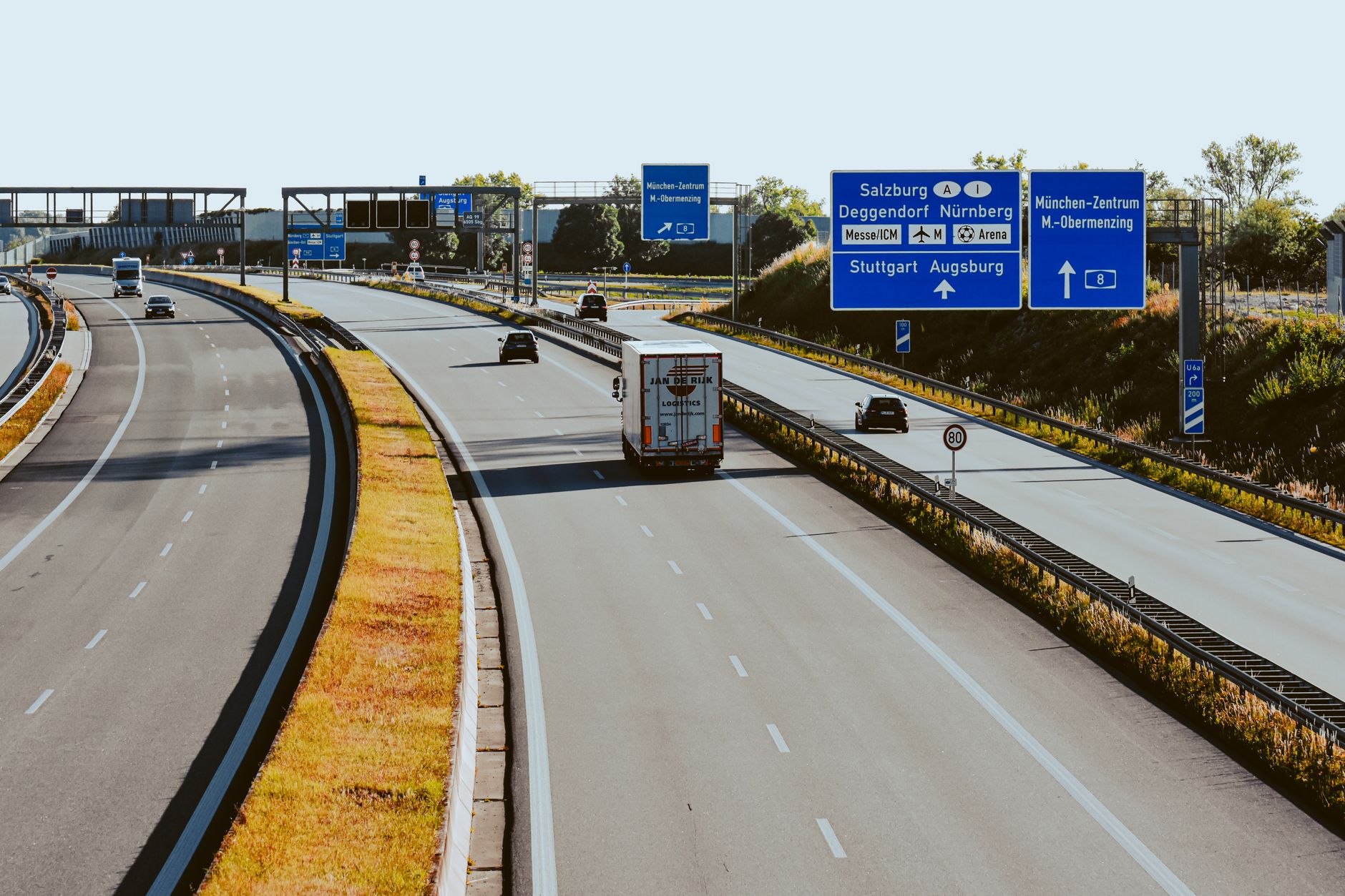
 Photo: RDNE Stock project / Pexels
 Photo: Gustavo Fring / Pexels
 Photo: Monstera Production / Pexels
 Photo: cottonbro studio / Pexels